

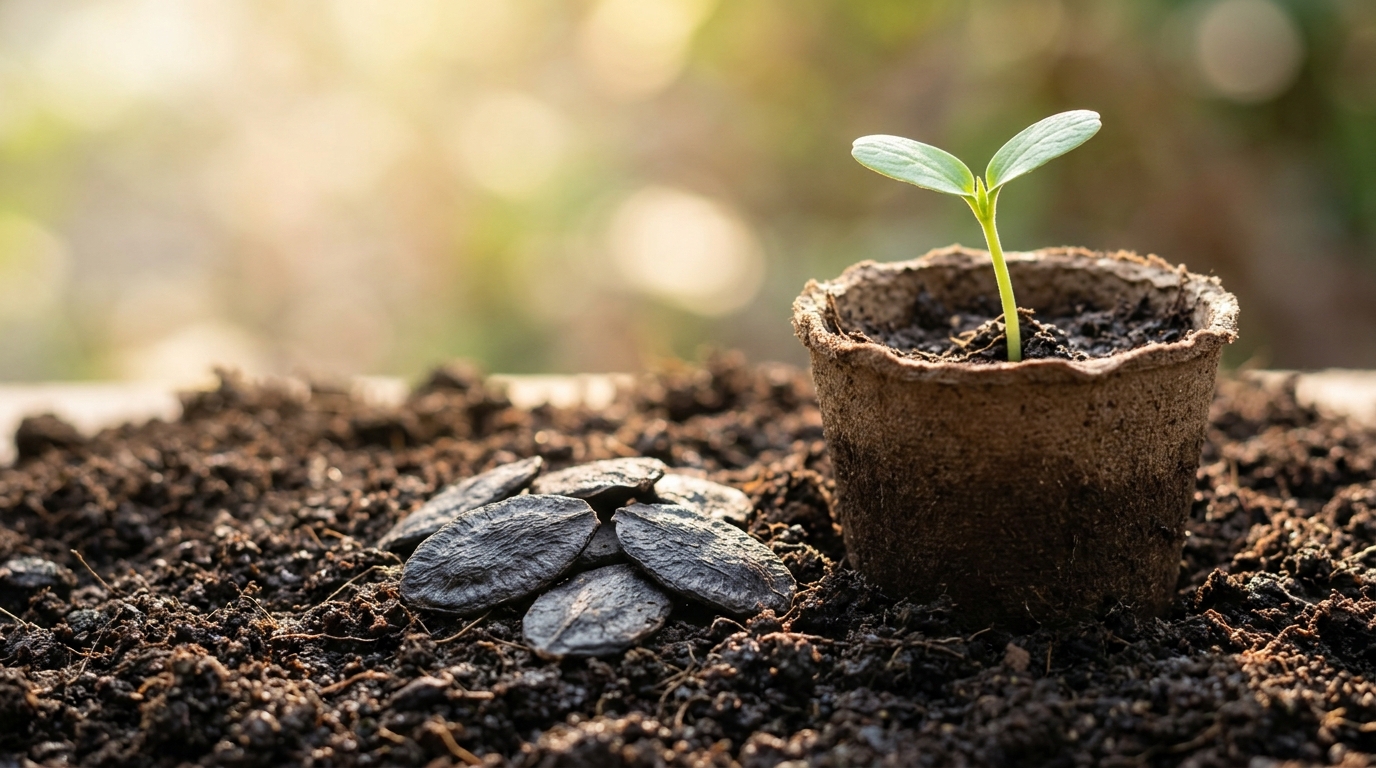
If you have ever wondered how the sponge in your shower started out as a seed in the ground, this guide walks through the entire process from beginning to end. Growing loofah at home has become increasingly popular among gardeners interested in sustainable living, zero waste alternatives to plastic bath products, and simply growing something a little more unusual than the typical backyard tomato patch. This guide covers what the loofah plant actually is, how to start it from seed, where to source quality seeds, what happens as the gourd develops, and realistically how long the whole process takes.
What Is the Loofah Plant? A Complete Growing Guide
The loofah plant is a fast-growing annual climbing vine belonging to the genus Luffa, part of the Cucurbitaceae family, the same botanical family that includes cucumbers, zucchini, pumpkins, and melons. Two species dominate home cultivation and commercial production. Luffa aegyptiaca, often called smooth loofah or Egyptian loofah, produces a relatively smooth-skinned, cylindrical fruit. Luffa acutangula, commonly known as ridged loofah or angled loofah, produces fruit with pronounced longitudinal ridges running its full length.
Like its cucumber and squash relatives, the loofah vine produces large lobed leaves, curling tendrils that grip onto any available support structure, and bright yellow flowers that require pollination to set fruit. What makes loofah genuinely unique within its plant family is what happens to that fruit if it is left unharvested. While a zucchini or cucumber left too long on the vine simply becomes tough and overripe, a loofah gourd left to fully mature and dry out transforms internally into a dense network of cellulose fibers, the same fiber structure sold worldwide as a natural bath and kitchen sponge.
This dual identity is central to understanding the plant as a whole. A single loofah vine can be managed for two entirely different harvests depending on grower intent, tender young fruit picked for eating, similar to how you would harvest a zucchini, or mature fruit left on the vine specifically to dry into a sponge. Many home gardeners choose to do both, harvesting some fruit young throughout the season for the kitchen and allowing a portion of the vine’s later fruit to fully mature for sponge production before the first frost.
Growing loofah successfully requires understanding a few key characteristics of the plant. It is a warm season crop, meaning it has zero frost tolerance and needs consistently warm soil and air temperatures to thrive. It is a vigorous climber, often growing fifteen to thirty feet in a single season under good conditions, which means it needs substantial vertical support rather than being left to sprawl across the ground. And it has a relatively long growing season compared to many common garden vegetables, generally requiring somewhere between ninety and one hundred fifty days from seed to a fully mature, sponge-ready gourd, depending on variety and local climate conditions.
How to Grow Loofah From Seed, Step by Step
Starting loofah from seed is straightforward once you understand a few key requirements around timing, warmth, and support structure. Here is the process broken down into clear steps.
The first step is timing your planting correctly. Because loofah needs a long, warm growing season and has no frost tolerance whatsoever, most gardeners in temperate climates start seeds indoors four to six weeks before their area’s last expected frost date, rather than direct sowing outdoors too early. This head start is often essential in regions with shorter growing seasons, since direct sowing outdoors only after the soil has fully warmed can sometimes leave insufficient time for the fruit to fully mature before autumn’s first frost.
The second step involves preparing the seeds themselves. Loofah seeds have a notably hard outer seed coat, which can slow down germination if planted as is. Many experienced growers improve germination rates by either soaking seeds in room temperature water for twelve to twenty four hours before planting, or gently nicking the seed coat with a nail file or small knife, a technique called scarification, to allow moisture to penetrate more easily. Skipping this step is not fatal, but it often results in slower, less consistent germination.
The third step is planting the prepared seeds. Whether starting indoors in seed trays or direct sowing outdoors once soil has warmed above roughly seventy degrees Fahrenheit, plant seeds about one inch deep in loose, well-draining soil. If starting indoors, individual biodegradable pots work particularly well, since loofah, like many cucurbit family members, dislikes having its roots disturbed during transplanting.
The fourth step is providing consistent warmth and moisture during germination. Loofah seeds typically germinate within one to two weeks under warm conditions, though germination can take longer in cooler soil. Keeping soil consistently moist, though not waterlogged, and maintaining warm temperatures, ideally using a seedling heat mat if starting indoors in a cooler environment, significantly improves germination success and speed.
The fifth step is transplanting seedlings outdoors once all danger of frost has passed and outdoor soil has warmed sufficiently. Seedlings should be hardened off gradually over the course of a week by giving them increasing amounts of outdoor exposure before their final transplant, which reduces transplant shock.
The sixth step is installing support structures early. Because loofah vines grow quickly and climb aggressively once established, having a trellis, fence, or arbor in place before or immediately after transplanting prevents the vine from sprawling across the ground, which increases the risk of fruit rot and pest damage.
The seventh and final step in the establishment phase is spacing plants appropriately, generally two to three feet apart along a trellis line, to give each vine enough room to develop a full root system and adequate airflow, which helps reduce fungal disease risk later in the season.
Loofah Seeds: Where to Buy and How to Germinate Them
Sourcing quality loofah seeds is the foundation of a successful growing season, and there are several reliable avenues for finding them. Specialty seed companies focused on heirloom, international, or unusual vegetable varieties are generally the most reliable source, often carrying both Luffa aegyptiaca and Luffa acutangula varieties, sometimes labeled under alternate names like Chinese okra seeds, silk gourd seeds, or sponge gourd seeds, all referring to the same plant. Larger general gardening retailers increasingly stock loofah seeds as well, particularly during spring planting season, reflecting the plant’s growing popularity among home gardeners.
For those who already know someone growing loofah, seed saving is a genuinely simple and rewarding option. Fully mature, dried gourds naturally contain dozens of flat, black seeds inside their fiber structure, which can be shaken out, cleaned of any remaining pulp, fully dried, and stored in a cool, dry location for planting the following season.
When evaluating seed sources, freshness matters more than most gardeners expect. Loofah seeds generally remain viable for several years when stored properly in a cool, dry environment, but germination rates do decline gradually with age, so purchasing from a supplier with reasonably fast inventory turnover improves your odds of strong germination.
Germination itself, as covered in the previous section, hinges on three main factors, warmth, moisture, and overcoming the seed’s naturally hard outer coat. Soil temperature is arguably the single most important variable. Germination happens fastest and most reliably when soil temperature stays consistently above seventy degrees Fahrenheit, and can slow dramatically or fail entirely in cooler soil, which is exactly why so many growers in temperate climates start seeds indoors under controlled warmth rather than direct sowing outdoors too early in the season.
A useful troubleshooting note for anyone experiencing poor germination is to reconsider seed depth and moisture consistency before assuming the seeds themselves are simply bad. Planting too deep, allowing soil to dry out between waterings, or planting into cold soil are far more common causes of germination failure than genuinely non-viable seed, particularly when seed was sourced from a reputable supplier.
Loofah Gourd 101: From Vine to Sponge
Once a loofah vine is established and has survived the early germination and transplant stages, it enters a period of vigorous vegetative growth, followed by flowering, fruit set, and finally the long maturation process that eventually produces either an edible young vegetable or a fully dried sponge, depending entirely on harvest timing.
Flowering typically begins somewhere between forty five and sixty days after planting, depending on variety and growing conditions. Loofah plants produce separate male and female flowers on the same vine, a trait called monoecious flowering, common throughout the cucumber and squash family. Male flowers typically appear first and in greater number, followed by female flowers, which are distinguishable by a small, immature fruit visible at the base of the flower even before pollination occurs. Successful pollination, generally accomplished by bees and other pollinating insects, is essential for fruit to develop, which is one of many reasons gardeners are encouraged to avoid pesticide use around flowering loofah vines.
Once pollinated, fruit development begins quickly, with young gourds often visibly lengthening within just a few days. This is the point at which growers must begin making harvest timing decisions. Fruit intended for eating should be picked young, typically between four and eight inches long, while the skin remains thin and tender enough to pierce easily with a fingernail. Fruit intended for sponge production is instead left on the vine to continue maturing well past this edible stage.
As the fruit continues maturing beyond its edible window, visible changes begin to appear. The skin gradually shifts from bright green to a duller green, then to yellow, and eventually to a dry, papery brown. The gourd itself becomes noticeably lighter in weight as internal moisture evaporates, and a gentle shake often produces an audible rattle from the seeds loosening inside, a reliable sign that the gourd has reached full maturity and is ready for sponge processing.
At this fully mature stage, the internal transformation that defines loofah as a plant is complete. The soft, pulpy interior that existed during the vegetable stage has fully hardened into the dense, interlocking network of cellulose fibers recognized as the loofah sponge. Processing from this point is relatively simple, involving peeling away the dried outer skin, shaking out and saving the seeds for future planting, rinsing the remaining fiber structure to remove any leftover pulp residue, and allowing it to fully sun dry before use or storage.
How Long Does It Take to Grow a Loofah?
This is one of the most practical questions new growers ask, and the honest answer depends on exactly what stage of growth you are asking about, since loofah’s timeline varies significantly depending on whether you are targeting an edible harvest or a fully mature sponge.
From seed germination to the plant’s first flowers typically takes somewhere between forty five and sixty days under good growing conditions. From flowering and successful pollination to a young fruit reaching edible size for the kitchen typically takes an additional one to two weeks, meaning gardeners growing loofah primarily for food can often expect their first harvestable vegetables around sixty to seventy five days after planting, depending on variety and climate.
Growing loofah specifically for sponge production requires considerably more patience. From the point of pollination, a gourd generally needs an additional two to four months on the vine to fully mature and dry to the point where it is genuinely ready for sponge processing. Taken together, this means the full seed to sponge timeline typically spans somewhere between one hundred and one hundred fifty days total, sometimes longer in cooler climates or shorter growing seasons where the plant experiences slower overall growth.
This extended timeline is exactly why growers in regions with shorter frost free periods are strongly encouraged to start seeds indoors well ahead of the outdoor planting window, since direct sowing too late in the season risks running out of warm growing days before fruit intended for sponges has fully matured. Gardeners in warmer, longer season climates, including much of the southern United States and other subtropical regions, have considerably more flexibility and can often direct sow successfully with less risk of running out of season.
Understanding this realistic timeline helps set appropriate expectations from the very beginning of the growing process, since loofah, unlike many faster maturing garden vegetables, genuinely rewards patience, particularly for anyone hoping to harvest their own homegrown natural sponges rather than simply enjoying the plant as an edible summer vegetable.
A Few Extra Tips for Reliable Seed Starting
A handful of small practices tend to separate a strong loofah harvest from a disappointing one, particularly during the seed starting phase. Using a well-draining seed starting mix rather than dense garden soil for indoor starts helps prevent the damping off fungal issues that can affect young cucurbit seedlings. Providing strong, consistent light once seedlings emerge, whether from a sunny window or a grow light, prevents the leggy, weak stems that often result from insufficient light indoors. And avoiding overwatering, which is a more common seedling killer than underwatering for most cucurbit family plants, helps protect the still-developing root system during those first few vulnerable weeks.
Succession planning is also worth considering for gardeners with a longer growing season. Since loofah vines continue producing new flowers and fruit throughout the summer as long as conditions remain warm, a single well-maintained vine can realistically supply both a steady stream of young vegetables for the kitchen and a smaller batch of fully matured gourds for sponges, without needing to plant multiple successive rounds of seeds the way some faster maturing crops require.
Setting Realistic Expectations From Day One
Growing loofah successfully is less about any single difficult technique and more about patience across a genuinely long timeline. Unlike faster crops that reward gardeners with a harvest within a few short weeks, loofah asks for sustained attention across an entire growing season, warm soil for germination, reliable support for climbing growth, and, for anyone hoping to harvest actual sponges rather than just the edible vegetable, the willingness to simply let fruit sit on the vine far longer than instinct might otherwise suggest. Understood correctly from the start, this long timeline becomes part of the appeal rather than a source of frustration.
Frequently Asked Questions
What climate zone is best for growing loofah?
Loofah performs best in warm climates with a long frost free growing season, generally thriving in USDA zones seven through eleven, though gardeners in cooler zones can still succeed by starting seeds indoors well ahead of the outdoor planting window.
Do I need a trellis to grow loofah successfully?
While not strictly required, a trellis is strongly recommended, since loofah is a vigorous climbing vine that will sprawl across the ground without vertical support, increasing the risk of fruit rot and pest issues.
How many loofah gourds can one plant produce?
A healthy, well-established loofah vine can produce anywhere from six to ten or more mature gourds in a single growing season, depending on variety, growing conditions, and how many fruits are harvested young versus left to fully mature.
Can I grow loofah from a store-bought sponge’s seeds?
Generally no, since most commercially sold loofah sponges have already had their seeds removed during processing. Seeds should instead be purchased from a seed supplier or saved directly from a home-grown, fully matured gourd.
Is loofah difficult to grow for beginner gardeners?
Loofah is considered moderately easy to grow, similar in difficulty to other cucurbit family vegetables like zucchini or cucumber, though its longer growing season and trellising needs make it slightly more involved than many common beginner vegetables.