

Every loofah sponge sitting in a bathroom today has a surprisingly long backstory, one that stretches across thousands of years, multiple continents, and several distinct culinary and commercial traditions. While most people encounter loofah as a simple bath or kitchen accessory, its origin story involves ancient agriculture, historic trade networks, and a gradual transformation from regional food crop to global household product.
Understanding where loofah actually comes from means looking at both its geographic origin as a plant species and its historical journey into the households and bathrooms of the modern world.
The Short Answer
Loofah originates from tropical and subtropical regions of Asia, with strong historical roots in South Asia and Southeast Asia, though it was cultivated and used across parts of Africa and the Middle East for centuries as well. From these regions, the plant spread along trade and migration routes into the Mediterranean, the Middle East, and eventually into Europe and the Americas. Today, loofah is commercially cultivated across a wide belt of tropical and subtropical countries, including China, India, Vietnam, parts of Central America, and increasingly in home gardens across the United States and Europe.
The Botanical Origin of the Plant
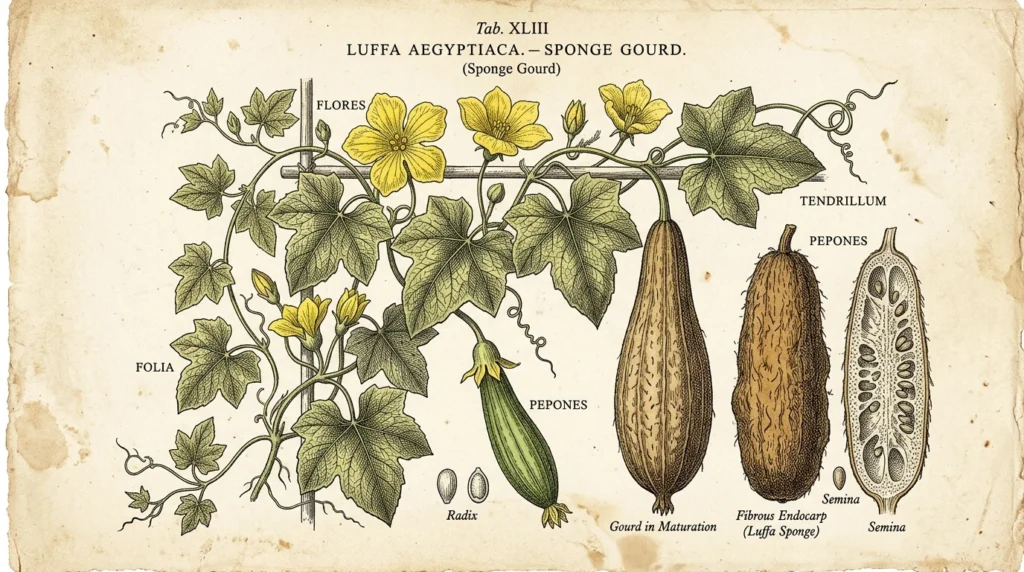
The genus Luffa belongs to the Cucurbitaceae family, a large plant family believed to have originated broadly across tropical regions of both the Old World and New World. Within this family, the specific species most commonly cultivated today, Luffa aegyptiaca and Luffa acutangula, are generally traced back to South and Southeast Asia, regions with the warm, humid growing conditions the plant naturally thrives in.
Wild and semi-domesticated relatives of the loofah plant have been documented across the Indian subcontinent, parts of China, and Southeast Asia, suggesting these regions represent the plant’s original center of diversity, the geographic area where a species shows the greatest genetic variation, which botanists typically use as strong evidence of where a plant first evolved and was subsequently domesticated by early agricultural communities.
Early Cultivation in Asia
Historical records and agricultural documentation suggest loofah has been cultivated in Asia for well over two thousand years, primarily as a food crop long before its fibrous sponge form became commercially significant. In China, loofah cultivation has ancient roots, with the plant appearing in historical agricultural texts and continuing to be a staple vegetable in regional cuisine to this day, known locally as si gua.
In India, loofah has similarly deep agricultural roots, cultivated across many regions and known by various regional names including turai and ghia tori, depending on the local language. Indian culinary traditions have long incorporated young loofah into curries, stir-fries, and lentil-based dishes, reflecting centuries of continuous cultivation and culinary integration.
Southeast Asian countries, including Vietnam, Thailand, and the Philippines, also developed independent culinary traditions around loofah, suggesting the plant spread relatively early and became agriculturally embedded across a wide swath of tropical Asia well before written historical records became detailed enough to pin down an exact timeline.
The Word Origin and Its Connection to Regional History
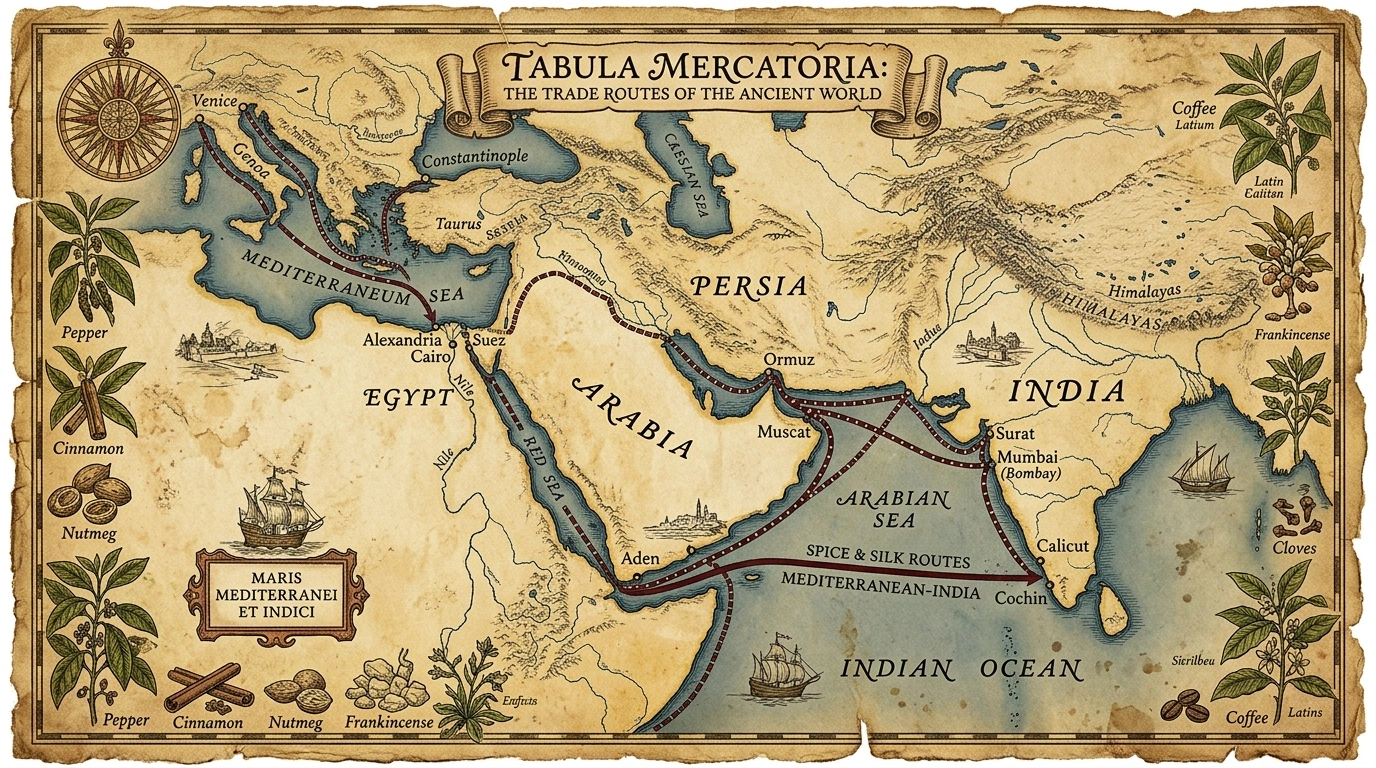
The etymology of the word loofah offers additional clues about its historical spread. The term traces back to the Arabic word lūf, which entered common usage as trade networks connected South Asia, the Middle East, and North Africa. This linguistic path suggests loofah moved westward from its Asian origins through established trade corridors, likely alongside spices, textiles, and other agricultural goods that historically moved along these same routes.
By the time the plant reached Egypt and other parts of North Africa, it had become well-established enough to eventually lend its name to one of the two dominant cultivated species, Luffa aegyptiaca, literally referencing Egypt in its scientific name. This naming reflects how significant Egyptian cultivation of the plant became, even though the species itself did not originate there, similar to how many crops carry geographic names reflecting where they became agriculturally significant rather than where they first evolved.
How Loofah Reached the Middle East and North Africa
Trade routes connecting South Asia to the Middle East and North Africa, including maritime spice routes and overland caravan networks, provided the pathway for loofah’s westward spread. As with many agricultural crops that moved along these historic trade corridors, loofah was likely adopted first as a food crop by communities along these routes, with its fibrous, dried form being discovered and adopted for practical uses somewhat later.
Egypt, in particular, developed significant loofah cultivation, aided by its warm climate and established irrigation agriculture along the Nile. This region’s role in loofah’s history was significant enough that Egypt became permanently associated with the plant’s scientific naming, even though the broader South and Southeast Asian region represents its deeper historical and genetic origin.
The Spread Into Europe
Loofah’s introduction into Europe came relatively later, generally understood to have occurred through Mediterranean trade connections and later through colonial-era plant exchange networks, which moved countless agricultural species between continents during the sixteenth through nineteenth centuries. European botanists began formally documenting and classifying the plant during this period, with Carl Linnaeus establishing the genus name Luffa in the eighteenth century as part of his broader effort to systematically catalog plant species using Latin binomial nomenclature.
Initially, loofah remained a relatively niche botanical curiosity in Europe, primarily of interest to botanists and colonial agricultural traders rather than mainstream households. Its transformation into a mainstream bath and body product in Western markets happened considerably later, largely during the nineteenth and twentieth centuries.
Introduction to the Americas
Loofah reached the Americas through a combination of colonial trade networks and later, more deliberate agricultural introduction, likely arriving in the Caribbean, Central America, and parts of South America sometime during the colonial period, alongside numerous other crops moved across the Atlantic during this era of extensive global plant exchange. The plant found favorable growing conditions in tropical and subtropical parts of Central America, and commercial cultivation eventually developed in several countries in this region, contributing to the global supply of loofah products still sold today.
In the United States, loofah remained a relatively obscure garden crop for a long period, primarily grown by home gardeners interested in its dual food and sponge applications, before becoming more widely recognized as bath product demand grew during the twentieth century.
From Food Crop to Bath Product: A Historical Shift
For most of its documented history, loofah’s primary significance was agricultural and culinary rather than cosmetic. Its use as a bath sponge, while certainly practiced in various regional contexts for a long time, particularly in parts of Asia and the Middle East where the dried fiber’s scrubbing properties would have been an obvious practical discovery, did not become a major commercial category until relatively recently in the plant’s much longer history.
The twentieth century saw a significant shift, particularly in Western markets, where loofah transitioned from a little-known specialty item into a widely available bath and body product. This shift coincided with broader consumer interest in natural personal care products, and loofah’s biodegradable, plant-based profile positioned it well as synthetic alternatives like plastic mesh poufs also entered the market around the same general period.
Industrial and Wartime Uses in the Twentieth Century
An often-overlooked chapter in loofah’s history involves its industrial applications during the early twentieth century. Before synthetic foam and filtration materials became widely available, dried loofah fiber was used in various industrial contexts, including as filtration material in certain engine and machinery applications, and reportedly in some military contexts as padding or filtration material during periods when other materials were scarce. This industrial use declined significantly once synthetic foam alternatives became cheaper and more widely available following major advances in petrochemical manufacturing during the mid-twentieth century, after which loofah’s primary commercial identity shifted back toward personal care and household applications, where it remains positioned today.
Where Loofah Is Grown Commercially Today
Modern commercial loofah cultivation spans a wide geographic range, reflecting the plant’s long history of successful adaptation to different regions. China remains one of the largest producers, supplying both domestic culinary markets and significant volumes for international sponge product manufacturing. India continues extensive cultivation, again serving both culinary and, increasingly, bath product supply chains. Vietnam and other Southeast Asian countries maintain strong production as well, tied closely to regional culinary traditions.
Outside Asia, several Central American countries, along with parts of Africa, have developed notable commercial loofah cultivation, often specifically oriented toward supplying the international natural bath product market rather than local food consumption. Additionally, home garden cultivation has grown steadily across the United States, parts of Europe, and Australia, driven largely by interest in sustainable, zero-waste living and the appeal of growing a genuinely dual-purpose crop.
The Role of Colonial Botanical Gardens
One often-overlooked piece of loofah’s global spread involves the network of colonial-era botanical gardens established by European powers throughout the seventeenth, eighteenth, and nineteenth centuries. Gardens such as those in Kew in England, and various colonial agricultural stations across Africa, Asia, and the Caribbean, served as testing grounds for introducing economically useful plants to new regions. Loofah, given its dual utility as both a food crop and a source of fiber, was a natural candidate for this kind of deliberate agricultural introduction.
These botanical networks helped accelerate loofah’s spread well beyond what natural trade and migration alone would have accomplished, introducing the plant to tropical and subtropical colonial territories where it often found favorable growing conditions and, in many cases, was successfully integrated into local agriculture within a few generations.
Loofah in Traditional Medicine History
Beyond its culinary and bath product history, loofah has a long-documented presence in various traditional medicine systems across Asia. In traditional Chinese medicine, dried loofah fiber and other parts of the plant have historically been used in certain preparations believed to support respiratory health and reduce inflammation, though these applications should be understood as traditional and historical rather than clinically validated by modern medical standards. Similarly, various Ayurvedic traditions in South Asia have historically incorporated loofah into certain preparations, again reflecting the plant’s deep integration into regional health and wellness practices long before it became known primarily as a bath accessory in Western markets.
This traditional medicinal history is worth noting because it reflects just how thoroughly integrated loofah became into the daily life of the cultures that first cultivated it, serving not just as food and later as a scrubbing tool, but as part of broader traditional wellness practices as well.
A Simplified Historical Timeline
Piecing together loofah’s long history into a simplified timeline helps clarify how gradually this plant moved from a regional Asian food crop to a globally recognized household product.
In ancient times, extending back more than two thousand years, loofah was cultivated primarily as a food crop across South and Southeast Asia, with the plant’s fibrous mature form likely discovered and put to practical use relatively early, given how obvious its scrubbing properties would have been once a dried gourd was handled.
During the medieval period, trade networks connecting Asia to the Middle East and North Africa carried the plant westward, where it became agriculturally established in Egypt and other parts of the region, eventually lending its name to one of the two major cultivated species.
During the colonial era, spanning roughly the sixteenth through nineteenth centuries, European trade and botanical exploration introduced loofah to the Mediterranean, parts of Europe, and eventually the Americas, aided significantly by colonial botanical garden networks actively distributing economically useful plant species.
During the eighteenth century, formal scientific classification took place, with Linnaeus establishing the genus name Luffa as part of his broader taxonomic system, cementing the plant’s place in Western botanical literature.
During the twentieth century, loofah transitioned from a relatively niche botanical and agricultural crop in Western countries into a widely recognized bath and body product, driven by growing consumer interest in natural personal care items and supported by expanding global trade networks capable of efficiently distributing dried loofah products internationally.
Today, in the twenty first century, loofah occupies a dual identity worldwide, remaining an important culinary crop across much of Asia while simultaneously serving as a globally recognized, commercially significant natural bath and household product, with growing interest in home cultivation driven by sustainability and zero waste lifestyle trends.
Why Understanding Origin Matters Today
Beyond simple historical curiosity, understanding loofah’s origin has practical relevance for anyone interested in sourcing ethically produced, sustainable products. Loofah grown and processed in its traditional cultivation regions, using established agricultural methods refined over centuries, often represents a genuinely low-impact, biodegradable alternative to synthetic bath products, particularly when sourced from producers using minimal chemical processing or bleaching.
Additionally, recognizing loofah’s deep culinary history in the regions where it originated helps address the common Western misconception that loofah is purely a bath product, when in fact its role as a food crop predates and, in terms of total historical significance, likely outweighs its more recently developed identity as a skincare and household item.
Looking Back at a Genuinely Global Plant
Few household items carry a history as geographically layered as loofah. What began as a regional food crop in ancient South and Southeast Asia gradually became a Middle Eastern and North African agricultural staple, then a European botanical curiosity, then a colonial-era global export, and finally a mainstream Western bath product, all while continuing, uninterrupted, as a beloved vegetable across large parts of Asia the entire time. Few everyday items can claim a backstory that spans this many centuries, continents, and cultural roles simultaneously, which is part of what makes loofah such a genuinely interesting subject once you look past its simple bathroom shelf appearance.
Frequently Asked Questions
Where did loofah originally come from?
Loofah originates from tropical and subtropical regions of South and Southeast Asia, where it was cultivated for thousands of years primarily as a food crop before spreading to other parts of the world through historic trade routes.
Is loofah native to Egypt?
No, despite the species name Luffa aegyptiaca referencing Egypt, the plant’s deeper genetic and historical origin traces back to South and Southeast Asia. Egypt became historically significant for its extensive cultivation of the plant, which is why it became attached to the scientific name.
When did loofah become popular as a bath product in Western countries?
Loofah’s transition into a mainstream Western bath and body product largely occurred during the twentieth century, considerably later than its much older history as a food crop in Asia, the Middle East, and parts of Africa.
Which countries produce the most loofah today?
China, India, and Vietnam remain major producers, supplying both culinary markets and international bath product supply chains, alongside significant cultivation in parts of Central America and Africa oriented toward the natural sponge product market.
Did ancient civilizations use loofah as a sponge?
Historical evidence suggests dried loofah fiber was likely used for practical scrubbing and cleaning purposes in various regional contexts for a long period, though its identity as a major commercial bath product category is a considerably more recent development compared to its much longer history as a cultivated food crop.