

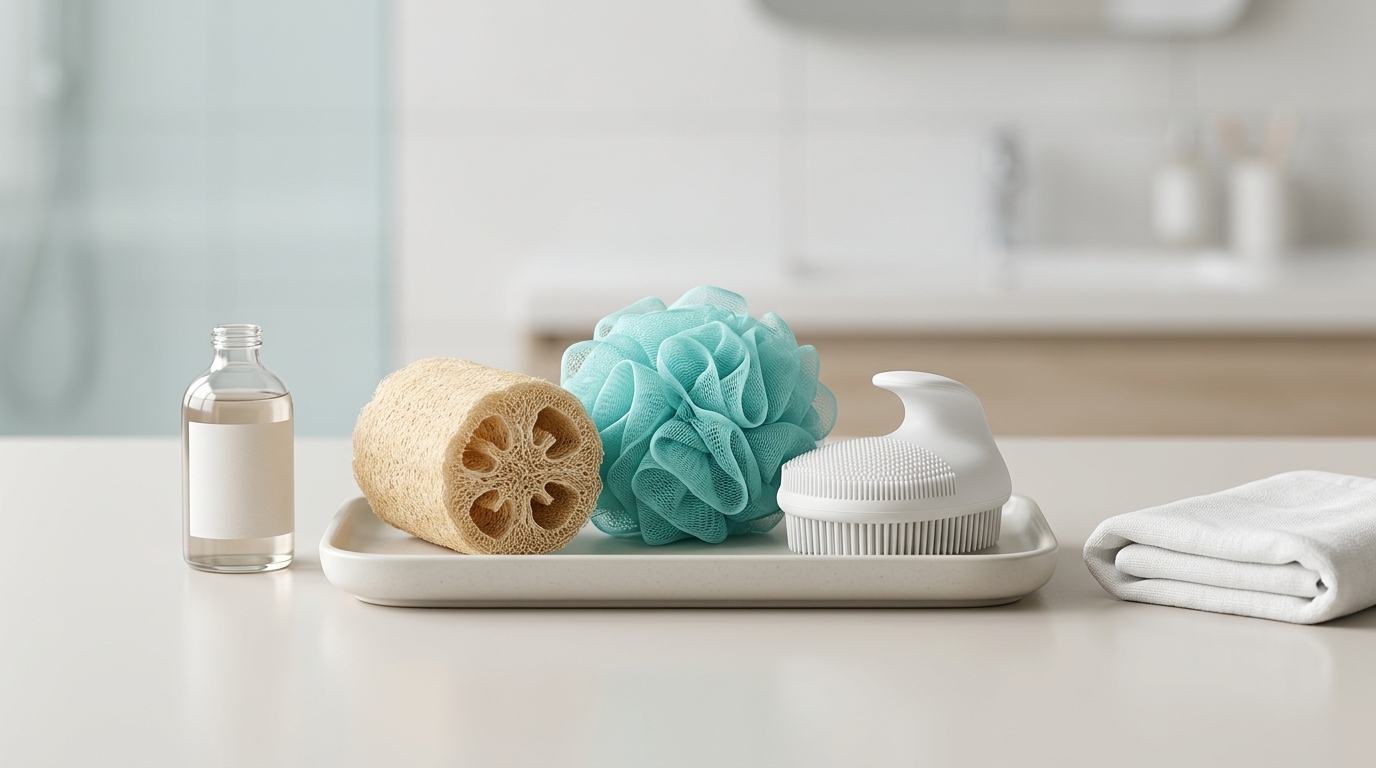
Standard bath routines often fail because people use generic synthetic mesh poufs that harbor bacteria and irritate delicate skin. Switching to the right shower loofah improves skin cell turnover and transforms your daily hygiene routine. Over 70% of bathers retain their bath sponges long past their expiration date, causing unintended breakout issues.
Selecting the right shower loofah requires balancing abrasive texture, drying speed, and fiber composition. Natural gourds derived from the Luffa aegyptiaca plant provide biodegradable scrubbing power, while synthetic versions offer high lather at lower price points. Understanding how different materials interact with your skin barrier ensures a cleaner, healthier wash every time.
What Is the Best Shower Loofah for Your Skin Type?
Choosing the ideal shower loofah requires evaluating your skin sensitivity against the coarseness of the material. Coarse fibers remove dead skin cells quickly, while softer knits protect compromised moisture barriers.
Sensitive skin types react poorly to heavy physical abrasion. If your skin flushes easily, choose soft synthetic mesh or gentle silicone scrubbers that lather well without micro-tearing the epidermis.
Dry or keratosis pilaris-prone skin benefits from firmer exfoliation. Natural plant sponges sweep away hardened keratin plugs around hair follicles, allowing body moisturizers to penetrate deeply.
Combination or oily body skin thrives with moderate exfoliation paired with fast-drying materials. Look for woven plant fibers like sisal or jute, which provide balanced scrubbing action without holding excess moisture between uses.
Comparing Natural Plant Loofahs vs Synthetic Bath Poufs
The debate between natural plant gourds and synthetic mesh revolves around environmental footprint, texture durability, and microbial resistance. Natural plant sponges start as fibrous vines in warm climates, yielding a completely compostable product. Synthetic poufs use woven polyethylene strands that create dense lather but generate plastic waste.
Natural luffa sponges soften significantly when submerged in warm water. They provide a stiff, fibrous scrub that unclogs pores along elbows, knees, and feet. Learn more about the botany behind these gourds by reading about
Synthetic poufs retain liquid soap longer, using less body wash per session. However, their tight plastic folds trap moisture, dead skin cells, and soap scum, creating an ideal habitat for microbes.
How Often Should You Replace Your Shower Loofah?
Replacing your shower loofah regularly prevents skin infections and bacterial accumulation. Damp bath environments allow micro-organisms to multiply rapidly inside porous fibers.
According to research highlighted by the
Natural gourds require replacement every 3 to 4 weeks. Synthetic plastic mesh poufs last slightly longer but should be thrown away after 4 to 6 weeks.
Silicone scrubbers are the exception to short lifespan rules. Their non-porous surfaces resist bacterial growth, allowing safe use for up to a year with routine soap-and-water cleaning.
Why Do Shower Loofahs Trap Bacteria So Easily?
A shower loofah traps bacteria because its complex internal matrix traps moisture, body oils, and sloughed skin cells. Every time you scrub, dead skin gets caught inside the matrix.
Bathrooms maintain high humidity levels, preventing deep internal fibers from drying out between showers. This warm, moist atmosphere turns organic residue into fuel for bacterial colonies.
Organisms expand deeper into the sponge structure over time. Using an old sponge on freshly shaved skin introduces these microbes directly into hair follicles, leading to irritation.
Understanding
How to Properly Clean and Sanitize Your Loofah
Sanitizing your shower loofah weekly extends its usability and reduces bacterial loads. Consistent maintenance prevents odor buildup and keeps fibers clean.
Follow these simple steps to keep your bath tools hygienic:
-
Rinse all remaining soap out of the sponge using hot running water after every shower.
-
Shake out excess liquid vigorously to eliminate trapped water pockets.
-
Hang the sponge in a well-ventilated space outside the warm shower stall.
-
Soak natural gourds in a 10% bleach solution for 5 minutes once a week to kill bacteria.
-
Microwave wet natural loofahs on high for 20 seconds to heat-sterilize internal fibers.
Never use bleach or high heat on synthetic plastic poufs, as the heat melts polyethylene strands and releases chemical residues. Rinse plastic poufs with dilute vinegar instead.
What Are the Best Eco-Friendly Alternatives to Plastic Poufs?
Replacing synthetic plastic bath items with sustainable shower loofah alternatives lowers personal waste while keeping your skin clear. Natural materials perform exceptionally well without polluting waterways with microplastics.
Natural luffa gourds remain the standard eco-friendly pick. They scrub thoroughly and decompose naturally in backyard compost bins within weeks of disposal. Discover more about their botanical origins by exploring
Sea sponges harvested from sustainable marine farms offer a soft luxury option. They naturally contain enzymes that inhibit mold growth, making them ideal for delicate skin.
Konjac sponges made from Asian konjac root fiber deliver ultra-gentle facial and body exfoliation. They ship completely dry, expand into soft gel-like pads when wet, and compost fully after use.
Woven agave, jute, and sisal washcloths provide intense physical scrubbing power. These plant fabrics machine-wash easily, extending their lifespan far beyond standard sponges.
How to Use a Shower Loofah for Maximum Exfoliation
Using a shower loofah correctly removes dead skin without damaging your protective cutaneous barrier. Over-scrubbing causes micro-tears that leave skin vulnerable to irritation.
Start by saturating your natural plant sponge in warm water for 2 to 3 minutes. Natural gourds arrive stiff and require warm moisture to expand and soften prior to contact with your skin.
Apply a nickel-sized amount of moisturizing body wash directly to the surface. Work the soap into the fibers by gently squeezing the body until a rich lather forms.
Scrub using light, circular motions, starting at your feet and moving upward toward your heart. Avoid aggressive scrubbing over delicate zones like the chest, neck, or inflamed skin.
Rinse your body thoroughly with lukewarm water. Follow up immediately after towel-drying with a soothing lotion to lock in hydration while skin pores remain receptive.
Frequently Asked Questions
Is it hygienic to use a shower loofah every day?
Daily use is safe for healthy skin if the loofah dries completely between uses and gets replaced every 3 to 4 weeks. Sensitive skin types should limit physical exfoliation to 2 or 3 times per week to prevent irritation.
What is the difference between loofah and luffa?
Loofah and luffa refer to the exact same item. “Luffa” is the botanical name for the cucumber-family vine genus, while “loofah” is the common English spelling used for bath products. Read our detailed guide on
Can you wash a shower loofah in the washing machine?
Natural plant loofahs and cotton bath mitts can be washed in a top-loading machine on a gentle cycle using warm water. Avoid putting synthetic plastic poufs in the washing machine, as agitation tears the delicate plastic netting.
Why does my natural loofah smell musty?
A musty odor indicates active mildew growth within the internal matrix. Throw away any sponge that develops a persistent sour odor, as trapped mold spores can irritate sensitive skin.
Choosing the Ideal Exfoliator for Your Routine
Selecting the right shower loofah comes down to matching your personal skin sensitivity with your lifestyle preferences. Natural plant gourds provide powerful exfoliation and zero-waste disposal, making them ideal for eco-conscious shoppers who do not mind frequent replacements. Soft plastic poufs produce thick lather at an affordable cost, while silicone scrubbers offer maximum hygiene with minimal upkeep.
Upgrade your bath routine by evaluating your current sponge today. If your bath tool has been hanging in a damp shower for over a month, dispose of it and select a fresh option matched to your skin. Pair your new exfoliator with proper drying habits to keep your skin smooth, clear, and healthy all year long.