

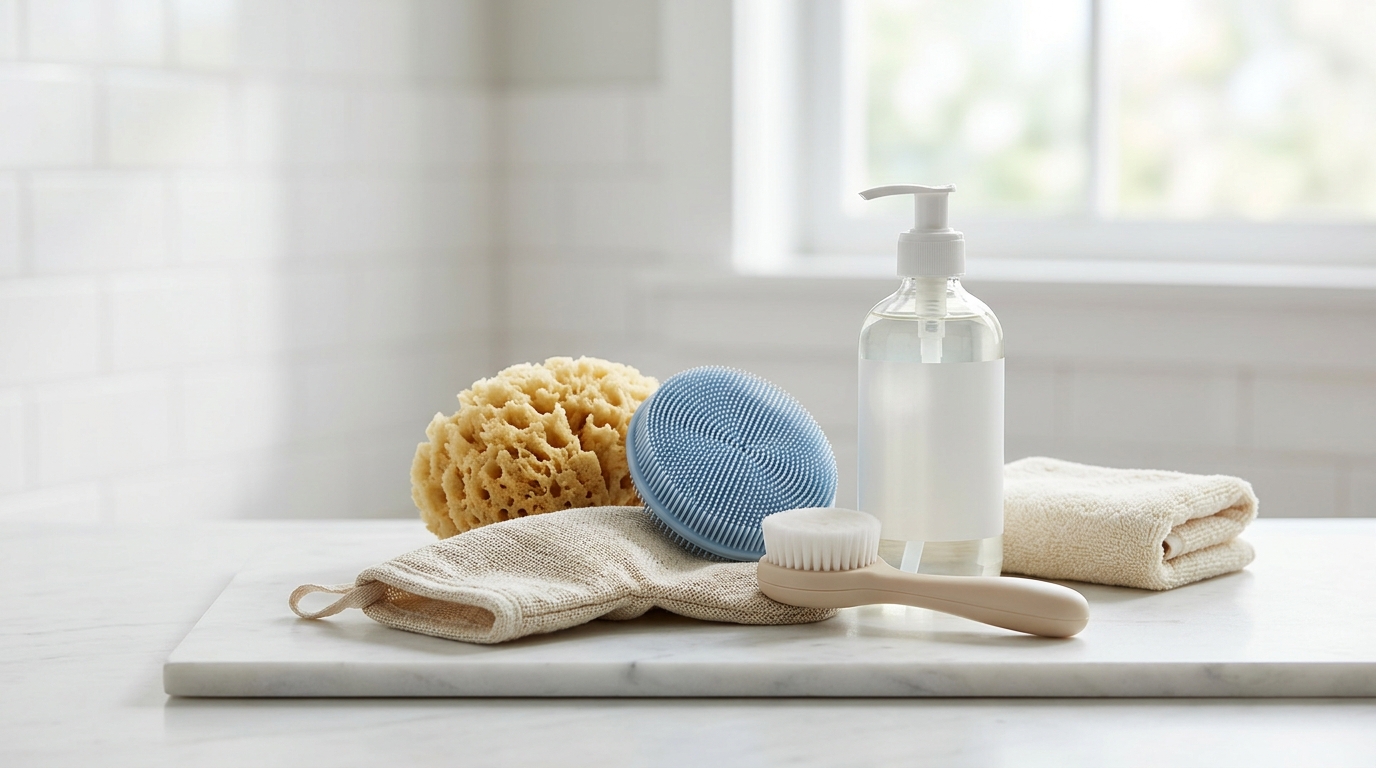
Standard plastic shower poufs trap trapped moisture, shedding microplastics and breeding harmful microbes within weeks of daily use. Dermatologists frequently warn that synthetic mesh sponges trap skin cells and harbor bacterial colonies like Pseudomonas aeruginosa. Swapping your bath tool for an eco-friendly option reduces household waste and prevents unexpected skin breakouts.
Upgrading your shower routine requires choosing materials that dry quickly and offer the right level of skin physical exfoliation. Understanding
Why Should You Replace Your Standard Shower Loofah?
Synthetic plastic poufs harbor dense clusters of bacteria within days of their initial shower use. Damp bathroom environments allow trapped dead skin cells to feed microbial growth inside dark mesh layers. Dermatological research published by the
Plastic mesh shower tools also shed microscopic synthetic particles into municipal water systems with every wash. These non-recyclable items end up in local landfills after just four to six weeks of recommended usage. Switching to a durable loofah alternative keeps synthetic waste out of oceans while protecting your skin barrier from harsh bacterial buildup.
What Is the Most Hygienic Loofah Alternative?
Silicone body scrubbers represent the most hygienic bath replacement available for modern showers. Non-porous food-grade silicone dries almost instantly after rinsing, preventing bacterial spores from taking root. Unlike porous plastic poufs, silicone scrubbers withstand boiling water or top-rack dishwasher cleaning cycles for complete sterilization.
-
Food-grade silicone scrubbers: Non-porous construction prevents bacterial attachment while soft bristles gently massage skin without causing micro-tears.
-
Organic cotton washcloths: Easy to toss directly into weekly laundry loads, ensuring a completely fresh surface for every single bath.
-
Copper-infused fiber towels: Naturally antimicrobial weaves disrupt bacterial cellular walls on contact, maintaining freshness between washings.
1. Food-Grade Silicone Body Scrubbers
Silicone scrubbers have transformed personal care routines by offering an impervious surface against household mold. Flexible silicone bristles lather body wash effectively while providing gentle daily skin stimulation. Because silicone holds no water inside its structure, these tools dry within minutes of hanging in your shower stall.
Maintenance requires virtually no effort compared to porous plastic or woven mesh tools. You simply rinse the scrubber under warm water and hang it by its built-in handle. For deep sanitization, submerge your silicone scrubber in boiling water for two minutes every month.
2. Organic Cotton Washcloths
Standard cotton washcloths remain an unbeatable hygienic choice due to their endless laundry compatibility. Using a fresh washcloth for every shower eliminates microbial transfer across your body completely. Soft cotton fabric lathers soap well while treating delicate skin surfaces gently.
-
Hypoallergenic properties: Natural unbleached fibers minimize skin irritation for sensitive individuals.
-
Easy maintenance: Withstands high-temperature washing cycles and bleach alternatives easily.
-
Zero microplastic shedding: Biodegradable cotton fibers decompose naturally at the end of their lifespan.
Selecting organic cotton minimizes pesticide exposure during textile manufacturing processes. Pairing a daily cotton washcloth routine with proper drying racks prevents damp towel odor in smaller bathrooms.
3. Natural Sea Sponges
Natural sea sponges offer a soft, luxurious bath experience derived directly from marine environments. These natural organisms contain enzyme compounds that naturally inhibit mold, mildew, and bacterial growth. Their unique cellular matrix creates a rich, dense lather using minimal liquid body wash.
Sustainably harvested sea sponges regenerate quickly when cut above the root stem by marine divers. Their soft texture makes them ideal for sensitive skin, facial cleansing, and childhood bathing routines. You can learn more about natural alternatives by reading about
Proper care extends sea sponge lifespans to six months or longer. Rinse your sponge thoroughly in cool water after each shower, squeezing out excess moisture without twisting the delicate structure.
4. Konjac Facial and Body Sponges
Konjac sponges originate from the porous root fibers of the Amorphophallus konjac plant native to Asia. When soaked in warm water, the hard fibrous disc transforms into a soft, jelly-like cushion. This unique texture provides microscopic physical exfoliation appropriate for daily use on sensitive facial areas.
-
Highly gentle texture ideal for rosacea, eczema, or acne-prone skin conditions.
-
Naturally alkaline pH balances skin acidity during manual cleansing.
-
Entirely home-compostable within four weeks of disposal.
Because konjac root fibers are entirely natural, these sponges require replacement every four to six weeks. Squeeze out excess water flat between your palms to avoid tearing the delicate internal plant structure.
5. Sisal and Jute Exfoliating Poufs
Sisal and jute represent heavy-duty plant fibers harvested from agave and corchorus plants. These coarse natural fibers deliver deep exfoliation for rough skin areas like elbows, knees, and heels. Using a sisal strap or glove increases circulation while removing dead skin cell accumulation efficiently.
Due to their dense natural fiber weave, sisal tools require thorough drying in well-ventilated spaces. Hang your sisal pouf outside the damp shower enclosure between uses to ensure long-term durability. Discover additional plant fiber options inside this guide on
6. African Net Sponge (Sapo)
The African net sponge, known traditionally as Sapo, consists of a porous nylon mesh sheet that stretches up to forty inches long. This extended length allows you to clean your entire back easily without straining or twisting awkward angles. The open-knot netting creates an incredible foam lather with very little soap.
Unlike dense bath balls, the open lattice design of an African net sponge retains no moisture whatsoever. Water drains off immediately after rinsing, allowing the net to dry completely within thirty minutes. A single authentic net sponge lasts up to two years without breaking down or holding stale odors.
7. Natural Luffa Gourds
Many people don’t realize that real dried luffa comes from a vine-grown gourd rather than ocean coral. Tropical gardeners cultivate these plants under specific
-
Sustainably grown: 100% plant-based material that leaves zero industrial footprint behind.
-
Compostable structure: Discard directly into garden compost piles after two months of active use.
-
Versatile textures: Softens significantly when thoroughly soaked in warm water prior to scrubbing.
To keep a natural gourd clean, rinse out all residual soap suds after every bath. Store it in an area with active airflow rather than hanging it inside a closed shower stall.
How Do Common Bath Exfoliators Compare?
Choosing the right bath tool requires balancing hygiene, environmental impact, exfoliation strength, and long-term cost. The following comparison highlights key features across top bath choices.
Evaluating these factors helps tailor your choice to your family’s personal hygiene priorities. Transitioning away from plastic mesh improves skin health while decreasing your household footprint over time.
Which Loofah Alternative Fits Your Skin Type Best?
Sensitive skin types thrive when using low-friction materials like food-grade silicone or soft organic cotton washcloths. These smooth tools prevent surface micro-abrasions while effectively distributing mild soaps. Readers curious about plant origins can check
Oily or acne-prone skin benefits greatly from quick-drying tools like the African net sponge or natural luffa gourds. These exfoliators remove clogged sebum and dead skin cells that cause clogged body pores. For additional option reviews, check out this guide to the
Rough or callous-prone areas require firm plant fibers like sisal or jute to smooth surface textures. Matching your tool’s abrasive level to your specific skin zone prevents over-exfoliation while maximizing skin renewal.
How to Clean and Maintain Your Bath Tools
Sanitizing your bath tools on a regular schedule prevents mold spores from colonizing natural or synthetic fibers. Washable items like cotton cloths should go directly into hot laundry loads after one or two uses. Silicone tools benefit from a quick weekly wash using antibacterial soap or a brief soak in boiling water.
Natural fibers like sea sponges and dried gourds require a ten-minute soak in a solution of one part hydrogen peroxide to nine parts warm water once per month. Always squeeze out excess water completely after every shower session. Hang tools on external hooks outside your damp bathroom stall to maximize air circulation.
Frequently Asked Questions
How often should you throw away a shower tool?
Plastic mesh poufs need replacement every three weeks due to rapid bacterial growth. Natural gourd sponges last four to eight weeks, while silicone scrubbers and African net sponges last up to two years with proper care.
Are natural loofahs better than synthetic ones?
Natural loofahs biodegrade completely in home compost setups without releasing microplastics into waterways. They provide excellent exfoliation, though they require drier storage conditions than non-porous silicone scrubbers.
Is a washcloth cleaner than a loofah?
A washcloth is significantly cleaner if you use a fresh cloth for every shower and wash used ones in hot water. Rotating clean washcloths eliminates the risk of reintroducing trapped bacteria to your skin.
Can you wash a silicone body scrubber in the dishwasher?
Yes, food-grade silicone scrubbers tolerate high heating cycles safely on your dishwasher’s top rack. Running your silicone tool through a standard dishwasher cycle sanitizes the bristles completely within minutes.
Transitioning to a Cleaner Shower Routine
Upgrading your shower routine with a hygienic loofah alternative protects your skin from unnecessary bacterial exposure while cutting down plastic waste. Selecting food-grade silicone, organic washcloths, or natural sea sponges allows you to customize your daily exfoliation level safely. Begin by assessing your shower airflow and picking a tool material that dries rapidly in your bathroom environment. Replace old synthetic mesh tools today, establish a consistent weekly sanitization schedule, and enjoy noticeably clearer, healthier skin.