

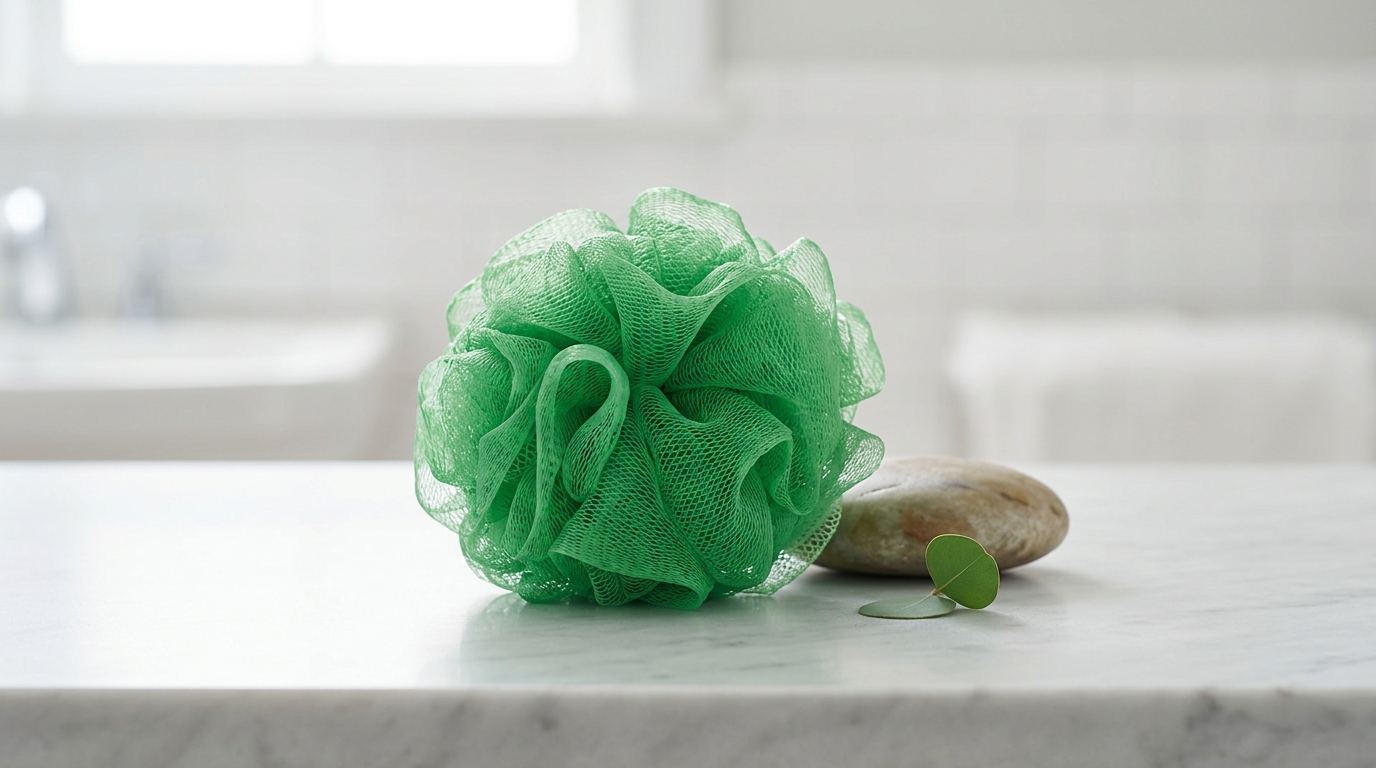
Curious encounters with bath accessories often trigger surprising discoveries online. Many shoppers buy a colorful bath pouf at the grocery store, only to discover internet rumors claiming their chosen shade carries a secret social message. Over 70% of people who search for color meanings are surprised to find that a simple shower accessory carries distinct interpretations across lifestyle circles, gardening communities, and pop culture urban legends.
Understanding the green loofah meaning requires sorting viral internet myths from botanical facts and sustainable bath choices. Whether you picked up a lime-colored synthetic scrubber, noticed one tied to a golf cart bumper, or harvest raw gourds straight from a backyard vine, color choice tells a specific story. Exploring these three distinct meanings helps you choose the right bath tool with complete confidence.
What Is the Green Loofah Meaning in Retirement Communities?
The most famous green loofah meaning stems from the viral legend surrounding retirement communities in Florida, particularly The Villages. According to local lore and widespread social media discourse, residents place plastic bath poufs on the roof racks or bumpers of their golf carts and cars. This practice originally began as a practical way to locate identical vehicles in crowded parking lots holding thousands of golf carts. Over time, an elaborate urban myth transformed these practical markers into a coded signaling system for adult lifestyle preferences.
In this rumored “loofah code,” different colors represent specific relationship statuses or personal preferences. The color green specifically signals that an individual or couple is open-minded, friendly, or actively looking to meet new people within the community. While many residents treat the system as a humorous joke or a simple parking aid, the association remains deeply ingrained in popular culture.
What Does a Green Natural Loofah Represent in Gardening?
Beyond viral rumors, the green loofah meaning holds direct botanical importance for gardeners and sustainable living enthusiasts. When harvesting natural gourds, green indicates an unripe, fully hydrated fruit growing on the vine. A dark green exterior means the inner fibrous skeleton is still soft and developing, making the gourd edible rather than ready for scrubbing.
Harvesting a gourd while it remains green provides a tender vegetable suitable for cooking in stir-fries and soups, similar to zucchini. However, if your goal is crafting a durable, exfoliating sponge, harvesting at the green stage is a common mistake. You must allow the gourd to mature on the vine until the green skin turns brown, dry, and brittle. For a full breakdown of the plant species, read our guide on
Stage 1: Dark Green (Edible Stage) ➔ Stage 2: Yellow-Green (Maturing) ➔ Stage 3: Brown & Light (Harvest for Sponge)
-
Young Dark Green Stage: The fruit is firm, full of water, and best harvested for culinary use.
-
Transitioning Light Green Stage: Fiber structure forms internally; the gourd becomes tough and fibrous.
-
Dried Brown Stage: Moisture evaporates, skin loosens, and the natural exfoliating skeleton becomes fully accessible.
To learn more about harvesting techniques, check out
Does Loofah Color Affect Bath Hygiene and Skin Care?
When selecting synthetic mesh bath poufs, color choice is purely aesthetic and has no impact on product performance or material quality. A green synthetic pouf exfoliates skin identically to a pink, blue, or white version. Synthetic poufs utilize polyethylene mesh gathered into a tight bundle, designed to generate rich lather from minimal body wash.
However, dermatologists caution that synthetic bath poufs of any color present hygiene challenges if improperly maintained. The tightly woven mesh traps dead skin cells, moisture, and warmth, creating ideal conditions for bacteria and mold growth. According to health experts, synthetic bath poufs should be thoroughly rinsed, hung in a well-ventilated area to dry completely, and replaced every three to four weeks regardless of color.
Natural sponges offer a biodegradable alternative to plastic bath tools. These natural materials dry faster between uses, making them less hospitable to bacterial buildup. For more details on botanical classification, consult the overview of
Why Do People Choose Green Bath Accessories for Eco-Living?
For modern consumers, choosing a green bath accessory carries strong symbolic value linked to environmental awareness. Eco-conscious shoppers frequently select green tools to align visually with sustainable living values and natural personal care routines. When transitioning away from plastic shower products, choosing plant-based bath alternatives reduces plastic waste in household routines.
Real natural sponges are grown from seed rather than manufactured from petroleum byproducts. When you discard a genuine dried gourd sponge, it decomposes naturally in home compost systems within a few weeks. Synthetic plastic mesh poufs take centuries to break down in landfills, shedding microplastics into waterways during daily use.
Understanding product origins helps shoppers choose eco-friendly items. Review our detailed comparison on
How to Care for Your Green Loofah to Prevent Bacteria
Proper maintenance ensures your bath accessories remain hygienic, safe, and effective for daily skin care. Whether using a synthetic shower pouf or a natural dried gourd, warm and humid bathroom environments accelerate bacterial contamination if care steps are skipped.
-
Rinse thoroughly after every use: Wash away all residual soap, body wash, and trapped skin flakes using clean running water.
-
Shake out excess moisture: Vigorously shake the accessory to remove trapped water droplets before hanging.
-
Hang in a ventilated space: Store your accessory outside the shower stall in a dry area with strong airflow to promote rapid drying.
-
Sanitize weekly: Soak natural sponges in a dilute 10% bleach solution or warm vinegar water for five minutes to eliminate microbes.
-
Replace regularly: Discard synthetic poufs every 30 days and natural sponges every 60 to 90 days, or immediately if you detect discoloration or unpleasant odors.
Daily Rinse ➔ Complete Air Drying ➔ Weekly Sanitize ➔ Timely Replacement
How Does a Green Synthetic Sponge Compare to a Natural Gourd?
Comparing synthetic mesh bath poufs with natural dried gourds highlights significant differences in performance, skin impact, and environmental footprint. The right choice depends on your skin sensitivity, sustainability goals, and exfoliation needs.
Synthetic green poufs create luxurious foam with minimal liquid soap, making them popular for quick daily showers. However, natural dried gourds provide superior physical exfoliation, removing dead skin cells and promoting circulation without releasing synthetic microplastics into city water systems.
What Are Common Myths About Loofah Colors?
Misinformation regarding bath product colors spreads easily through online forums and short-form videos. Clearing up these widespread misunderstandings ensures you can purchase shower accessories without unnecessary worry or confusion.
The most widespread rumor claims that retail stores sell color-coded shower sponges to represent specific relationship statuses, age groups, or lifestyle choices. In reality, commercial manufacturers produce bath poufs in diverse pastel and neon shades purely to match modern bathroom decor trends and consumer color preferences. Retail color choices carry no secret commercial coding.
Another persistent myth asserts that natural gourd sponges are marine animals related to ocean sea sponges. Natural scrubbing gourds are 100% terrestrial vegetables grown on climbing vines in warm climates. For botanical details, review the
How to Choose the Best Bath Exfoliator for Your Skin Type
Selecting the right bath accessory requires balancing skin sensitivity with exfoliation preferences. Using an overly abrasive tool can cause micro-tears in delicate skin, while an overly soft pouf may fail to remove dead skin cells effectively.
If you have sensitive or dry skin, synthetic mesh poufs or soft natural options like sea sponges offer gentle cleansing without irritation. For normal to oily skin types, natural plant-based sponges provide ideal texture for unclogging pores and smoothing rough patches on elbows, knees, and feet.
Always soak a raw natural gourd in warm water for two to three minutes before applying it to your skin. Soaking softens natural plant fibers, transforming firm natural mesh into a comfortable, invigorating exfoliant suitable for daily use.
Frequently Asked Questions
What does a green loofah on a car mean in Florida?
In Florida retirement communities, hanging a green loofah on a car or golf cart vehicle rack is rumored to signal that the owner is friendly and open to meeting new people. While largely an urban legend and parking lot marker, the story remains a popular piece of local folklore.
Can you cook and eat a green loofah gourd?
Yes, young green gourds are edible and widely used in Asian cooking when harvested early while soft. Once the gourd turns brown and dries out, the inner fibers harden into an inedible natural sponge skeleton.
How often should you throw away a green bath loofah?
Synthetic plastic shower poufs must be replaced every 3 to 4 weeks due to bacterial growth. Natural dried plant sponges last longer and should be replaced every 2 to 3 months with proper drying between uses.
Is a green loofah sponge made from a plant or plastic?
Bright neon or pastel green loofahs sold in grocery stores are made from synthetic polyethylene plastic mesh. Natural plant gourds start green on the vine but turn tan or brown once dried and harvested for bath use.
Summary and Next Steps for Sustainable Bath Care
Understanding the green loofah meaning empowers you to make informed decisions about bath hygiene, local urban legends, and sustainable lifestyle choices. Whether navigating playful Florida lore or shopping for eco-friendly personal care tools, recognizing the difference between synthetic mesh and natural dried gourds is essential. Upgrade your daily shower routine by choosing high-quality, plant-based exfoliators that protect skin health and reduce household plastic waste. Explore the rest of our comprehensive botanical guides to cultivate, harvest, and maintain natural shower accessories with complete confidence.