

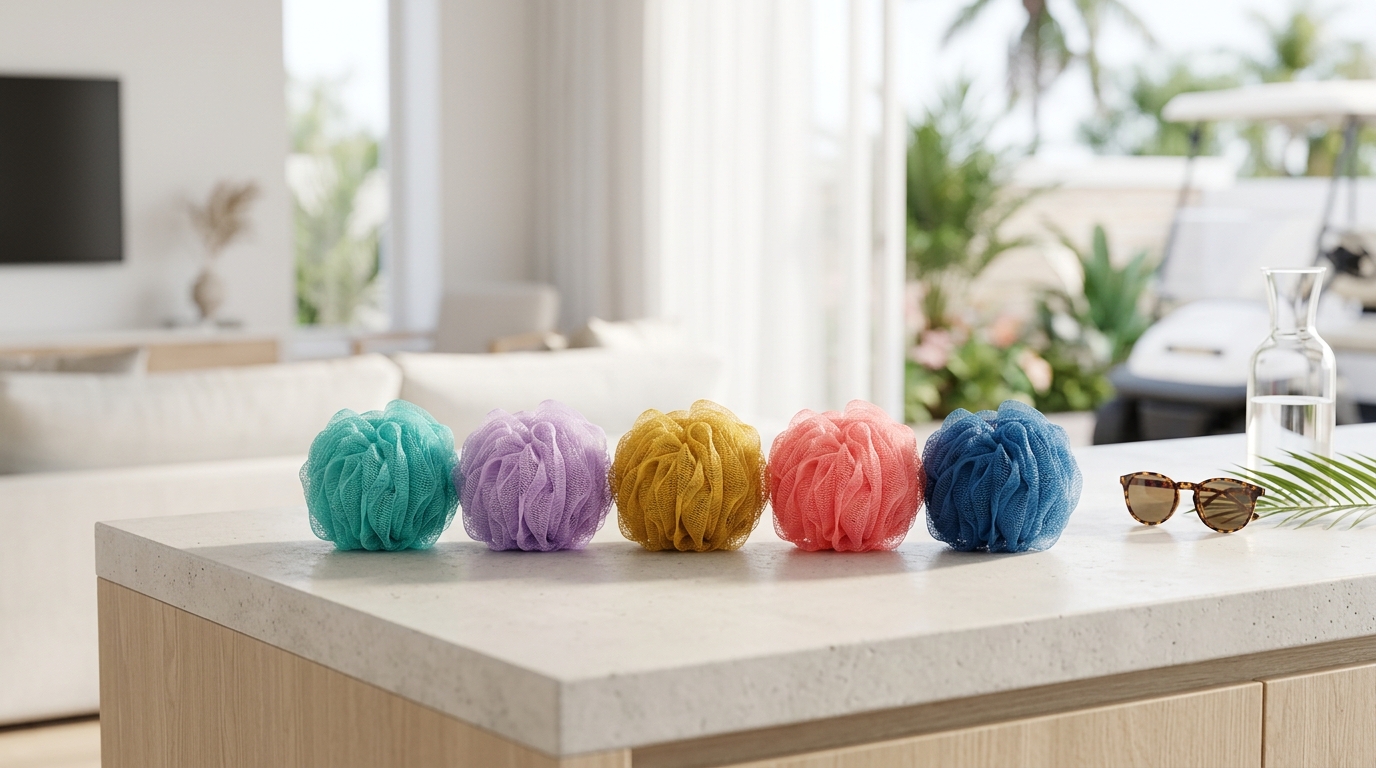
Navigating massive parking lots filled with thousands of identical golf carts causes daily confusion for Florida retirees. Finding one specific vehicle out of thousands of matching models leads many drivers to attach brightly colored shower sponges to their vehicle antennae or roof racks. Over 100,000 residents commute via golf cart across central Florida, making quick visual identification an essential daily strategy.
Popular internet rumors transformed a simple parking lot navigation trick into a viral pop-culture phenomenon. Social media posts claiming that the loofah code the villages community uses reveals lifestyle preferences gained millions of views across digital platforms. Understanding how natural luffa gourds compare to synthetic shower puffs clarifies why these bath items ended up outdoors on vehicle roofs.
What Is the Real Loofah Code in The Villages?
The actual loofah code the villages residents rely on serves a purely practical utility. Florida retirement communities feature expansive commercial hubs where hundreds of near-identical custom golf carts park side by side every day. Attaching a brightly colored bath sponge to your roof rack creates a high-visibility locator beacon that stands out above a sea of neutral-colored vehicle tops.
Residents started using bath loofahs because they are inexpensive, weather-resistant, soft enough not to scratch paint, and easy to secure using simple zip ties or elastic bands. While internet lore assigns wild secret meanings to each shade, the practical reality traces back to basic visual navigation. Drivers simply choose bright neon shades that contrast sharply against standard white, cream, or beige cart roofs.
Why Do Golf Cart Drivers Put Loofahs on Their Roofs?
Parking thousands of customized carts at central square events creates severe visual clutter for drivers of all ages. Many custom carts share identical body shapes, windshield configurations, and factory paint colors like white, metallic silver, or champagne beige. Finding your specific ride after an evening festival often involves searching through hundreds of matching rooflines.
Adding an inexpensive accessory to your roof elevation solves the problem instantly without permanent modifications. While modern drivers also use ribbons, small flags, or custom seat covers, synthetic bath puffs remain the most durable choice against sun and rain. Understanding what is a loofah highlights why synthetic mesh handles outdoor moisture better than organic natural bath sponges.
-
High Visibility: Bright neon colors stand out across massive parking fields during full sunlight or twilight hours.
-
Low Cost: A synthetic bath sponge costs roughly one dollar at local grocery or drugstores.
-
Weather Resistance: Polyethylene mesh does not rot, mildew, or break down rapidly when exposed to rain or humidity.
-
Paint Protection: Soft synthetic materials will not scratch custom paint coats or acrylic windshields when flapping in high winds.
How Did the Swinger Legend Start?
Sensationalized social media posts turned a ordinary parking hack into a viral cultural myth. Content creators on platforms like TikTok and YouTube visited central Florida retirement communities, filming vehicles topped with colorful bath accessories to generate dramatic reaction videos. These viral clips claimed each color represented explicit partner preferences, driving millions of online views.
Local news channels eventually investigated the phenomenon directly, interviewing cart owners across local town squares. Residents consistently expressed amusement and surprise, confirming they selected colors purely based on visibility or visual style. Official resources from The Villages community leadership note that community members frequently adopt practical lifestyle hacks to navigate daily active-living environments.
Rumors spread faster than facts because the contrast between quiet retirement communities and secret lifestyle codes makes compelling entertainment. Internet culture repeatedly amplifies urban legends that combine senior living with hidden subcultures. Similar rumors have circulated about colored lawn flamingos, specific door wreaths, and porch lighting choices in suburban neighborhoods across the country.
Synthetic Shower Puffs vs Natural Luffa Plants
The items tied to golf cart roof racks are synthetic bath sponges manufactured from extruded polyethylene mesh. True natural loofahs come from dried fibrous interiors of mature climbing vines in the cucumber family. Understanding where loofah comes from helps distinguish between commercial synthetic scrubbers and authentic plant-based bath accessories.
Natural luffa sponges retain a tan or off-white color and feature a dense woody fiber structure. Synthetic mesh loofahs feature bright artificial dyes, making them ideal for high-visibility visual markers. While natural bath fibers soften under warm bathwater, synthetic plastic mesh holds up against external wind friction and heavy rainfall without absorbing excess water weight.
-
Material: Natural loofahs consist of dried vascular plant tissue, whereas synthetic loofahs use woven plastic mesh strands.
-
Color Variety: Synthetic bath puffs come in vibrant neon hues; natural gourd fibers feature earthy, neutral shades.
-
Outdoor Durability: Plastic mesh resists rotting outdoors, while natural plant fiber degrades rapidly when left exposed to environmental rain.
-
Structural Purpose: Synthetic sponges serve well as lightweight parking markers, while real dried gourds provide superior bath exfoliation.
How Do You Choose the Best Parking Spot Marker?
Selecting an effective parking spot marker requires evaluating outdoor durability, roof visibility, and mounting security. Drivers who prefer non-plastic alternatives often select brightly colored ribbons, high-visibility flags, or custom embroidered antenna toppers. Evaluating your daily parking routine helps determine whether a soft bath sponge or a permanent flag setup works best.
If you choose to use a bath sponge on your cart, select bright neon colors like bright orange, lime green, or vivid pink. Darker shades like navy blue, deep brown, or dark purple blend into shadows during dusk driving hours, defeating the visual purpose. Anyone exploring home garden options can review guidebooks on how to grow luffa to understand how natural organic sponges mature compared to factory plastic mesh.
-
Choose High-Contrast Hues: Pick colors that stand out against white or dark roof paint.
-
Secure with Heavy Zip Ties: Fasten mesh tightly around rack supports to prevent items blowing off at high speeds.
-
Inspect Materials Periodically: Replace sun-bleached plastic mesh before UV exposure causes material breakdown.
-
Keep Aesthetics Simple: Use single, solid colors to avoid visual clutter on custom vehicle frames.
What Are the Origins of Natural Loofah Plants?
Long before synthetic mesh sponges appeared in retail stores, traditional bath sponges came entirely from natural gourd harvests. The tropical climbing vine Luffa aegyptiaca yields large green gourds that dry into tough fibrous scrubbers. Learning about is a loofah a plant clears up common misconceptions regarding where authentic personal care sponges originate.
Botanically recognized within the family Cucurbitaceae, cultivated varieties thrive in warm climates with long growing seasons. Details documented on Wikipedia’s Luffa entry illustrate how these plants serve dual roles as edible summer squash when young and durable scrubbers when fully matured. Gardeners interested in growing bath sponges can review ideal loofah growing conditions to optimize vine growth and harvest yields.
Botanical history reveals how human cultures repurposed dried gourd skeletons across centuries of bathing traditions. Natural fibers offer skin-exfoliating properties that synthetic plastic mesh cannot replicate, maintaining strong appeal among eco-conscious shoppers. Recognizing differences between loofah and luffa spelling guides consumers toward sustainable personal care products.
How Can You Care for Natural vs Synthetic Loofahs?
Maintaining proper hygiene requires distinct cleaning strategies for synthetic shower mesh and natural dried fibers. Synthetic plastic loofahs trap moisture and dead skin cells between dense plastic layers, creating ideal breeding grounds for bacterial growth. Users should wash plastic mesh weekly using dilute white vinegar solutions and replace bath sponges every three to four weeks.
Natural plant sponges require thorough drying between uses because organic cell walls absorb water easily. Hanging dried gourd sponges in well-ventilated bath areas prevents mold development while extending overall product lifespan. Readers can review municipal guidance on community administration via District Government services to see how local active-living guidelines manage residential utility standards.
-
Air-Drying: Always hang natural fibers outside damp shower stalls to promote complete airflow between bath uses.
-
Disinfection: Soak natural plant scrubbers in warm water containing ten percent bleach to eliminate surface bacteria.
-
Replacement Cycles: Swap out synthetic plastic puffs monthly; replace natural plant gourds every six to eight weeks.
-
Recycling Options: Compost dried natural gourds after wear; dispose of synthetic plastic mesh in proper recycling containers.
Frequently Asked Questions
Does the loofah color code in The Villages mean what people say online?
No, the loofah color code in The Villages is an urban legend popularized by viral social media videos. Residents use bright shower loofahs on golf cart roofs as high-visibility markers to quickly locate their vehicles in crowded parking lots.
Why do retirees use bath loofahs instead of standard flags?
Bath loofahs are inexpensive, soft enough not to scratch paint, weather-resistant, and easily attached with zip ties. Their bright colors stand out above golf cart roofs, making them a practical choice for visual identification.
What is the difference between a synthetic shower loofah and a natural luffa?
Synthetic shower loofahs are made from extruded polyethylene plastic mesh, whereas natural luffas are dried fibrous interiors of gourds from the Luffa vine. Plastic mesh is colorful and weather-resistant, while natural luffa is biodegradable and highly exfoliating.
Do natural loofahs work well as vehicle parking markers outdoors?
Natural loofahs do not work as vehicle parking markers because raw plant fibers absorb rainwater and degrade quickly under sunlight. Synthetic plastic mesh sponges are preferred for outdoor roof markers because they resist weather decay.
How can drivers keep synthetic loofahs secure on golf cart roofs?
Drivers secure synthetic loofahs using weather-resistant nylon zip ties or elastic bands threaded through the central mounting cord. Fastening the sponge tightly to roof racks or antenna bases prevents loss during high-wind driving conditions.
Conclusion
Understanding the true purpose behind the loofah code the villages story reveals how practical community solutions can inspire internet urban legends. Florida retirees using colorful bath sponges on golf cart roof racks are simply solving a daily navigation challenge in massive parking lots. Bright neon plastic mesh provides an affordable, soft, and durable visual beacon that makes finding your vehicle effortless. Distinguishing between practical lifestyle hacks, viral internet myths, and genuine natural luffa plant origins ensures consumers stay informed about both local active-living traditions and eco-friendly bath choices.