

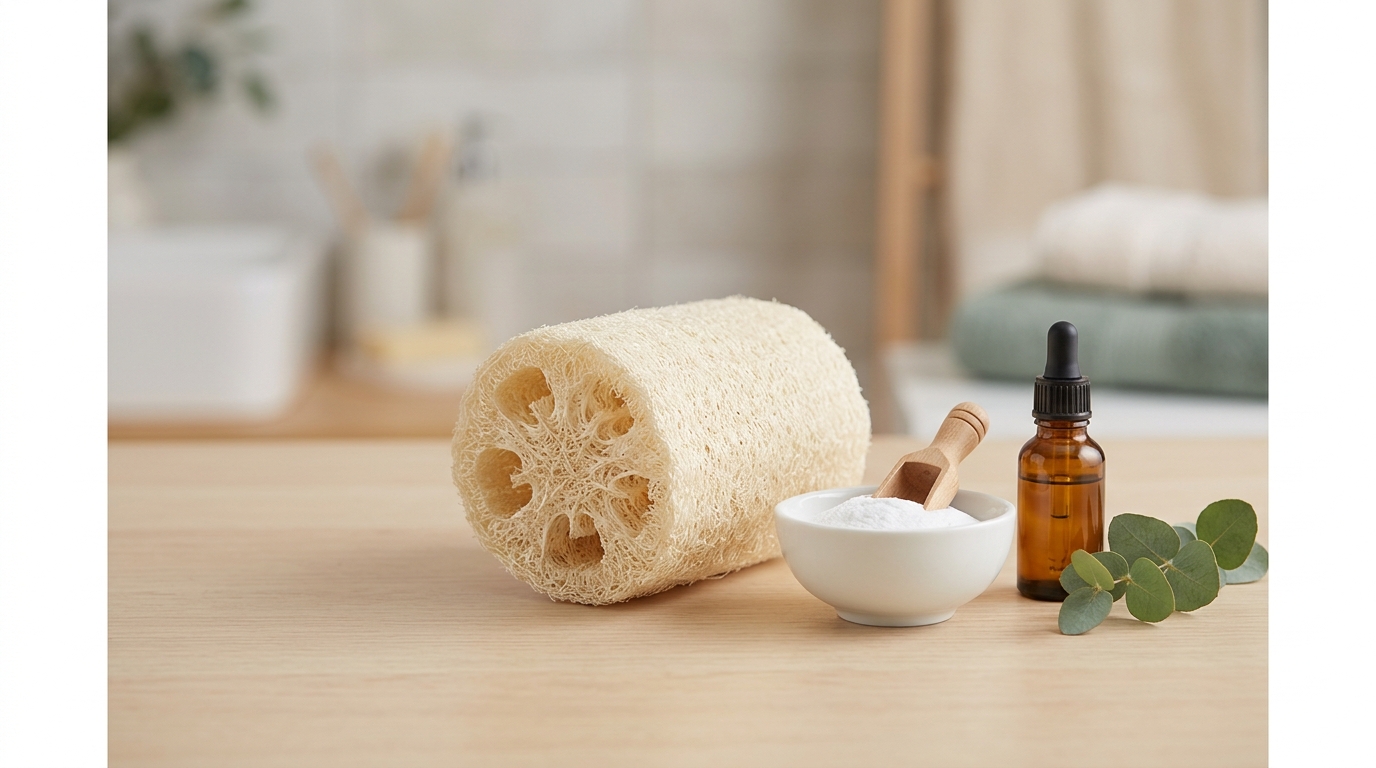
Damp shower stalls create ideal breeding grounds for unwanted microbes, transforming your favorite bath sponge into a hidden hazard. Millions of bathers unknowingly scrub their skin with bacteria-laden materials every day. Implementing proper hygiene steps keeps your skin clear and extends the life of your bath accessories.
Learning how to clean a loofah requires understanding its unique porous structure and matching the sanitization method to your specific material. Natural gourd loofahs and synthetic plastic poufs trap moisture, dead skin cells, and soap residue within their fibrous pockets. Without regular deep cleaning, micro-organisms multiply rapidly in warm bath environments, transferring back onto your body during your next shower. You can eliminate organic buildup, sanitize natural or plastic fibers, and establish a simple maintenance schedule that preserves skin health using basic household items.
Why Bath Accessories Trap Bacteria Quickly
Bath accessories retain moisture for hours after every shower, making them susceptible to microbial growth. The combination of humidity, indirect warm air, and trapped organic matter creates an ideal environment for bacteria like Pseudomonas aeruginosa and Staphylococcus. Every time you exfoliate, sloughed skin cells lodge inside the tight fibrous matrix of the sponge. Soap scum coats these trapped cells, creating a protective layer that fuels microbial colonization.
Drying conditions in average bathrooms accelerate this issue. Enclosed shower stalls rarely receive sufficient ventilation to dry a dense sponge within 24 hours. Research highlighted by
How to Clean a Loofah using 5 Simple Methods
Sanitizing your bath tools requires targeted solutions that break through soap scum without destroying structural fibers. Different materials tolerate varying levels of acidity and heat. Selecting the appropriate sanitizing agent ensures full disinfection while protecting your shower sponge from premature wear.
1. Diluted Bleach Soak Method
Bleach provides the most complete antimicrobial action for natural gourd materials. Mix 1 part household bleach with 9 parts cool water in a clean plastic basin. Submerge your natural sponge completely, ensuring the liquid fills every internal cavity.
Let the sponge sit in the bleach solution for exactly 5 minutes. Do not exceed this timeframe, as prolonged chemical exposure weakens organic plant fibers. Remove the sponge and rinse it under running tap water for 2 minutes until the chemical scent completely dissipates.
2. White Vinegar Deep Clean
White distilled vinegar offers an eco-friendly cleaning alternative containing 5% acetic acid, which breaks down mineral deposits and kills mold spores. Mix equal parts white vinegar and warm water in a deep bowl. Submerge both natural and synthetic mesh bath poufs in the liquid.
Allow the sponge to soak for 20 to 30 minutes. The mild acid dissolves built-up body oils and soap scum trapped deep within the mesh folds. Rinse thoroughly with cool water and squeeze out all excess liquid before hanging to dry.
3. Essential Oil Sanitizing Rinse
Tea tree oil contains natural terpene compounds that demonstrate strong antifungal and antibacterial activity. Fill a bowl with 2 cups of warm water and add 10 drops of pure tea tree essential oil. Stir the solution vigorously to disperse the oil droplets evenly.
Submerge your shower scrubber completely and leave it for 15 minutes. This gentle method works well as a mid-week refresh between deeper chemical sanitizations. It leaves your bath tool smelling clean without harsh chemical residues.
4. Boiling Water Thermal Sanitization
High temperatures kill bacteria without chemical additives, but this tactic applies strictly to dense natural gourds. Bring 4 cups of tap water to a rolling boil in a small pot. Remove the pot from direct heat and submerge your natural sponge using tongs.
Keep the gourd under hot water for no more than 3 minutes. Boiling synthetic mesh shower balls causes plastic strands to melt, deform, and leach chemicals. Carefully extract the natural gourd with tongs, run cold water over it, and wring out moisture.
5. Hydrogen Peroxide Soak
A 3% hydrogen peroxide solution breaks down organic residues through oxidation while remaining gentle on skin-contact surfaces. Pour enough hydrogen peroxide into a small container to cover the bath tool completely. Dilute with equal parts water if cleaning delicate mesh materials.
Let the sponge soak for 10 minutes as oxidation loosens trapped debris. Rinse the material under warm running water for 60 seconds. This process leaves zero chemical residue behind, making it an excellent protocol for individuals with sensitive skin conditions.
       [ Step 1: Identify Material Type ]
                       |
        +--------------+--------------+
        |                             |
[ Natural Gourd ]             [ Synthetic Mesh ]
        |                             |
 +------+------+               +------+------+
 |             |               |             |
[Bleach]   [Boiling]       [Vinegar]    [Peroxide]
(10%, 5m)  (3 min)        (50%, 20m)    (3%, 10m)
        |                             |
        +--------------+--------------+
                       |
         [ Step 2: Thorough Water Rinse ]
                       |
       [ Step 3: Dry Outside the Bathroom ]
How Often Should You Clean Your Loofah?
Establish a strict weekly deep cleaning routine regardless of how clean your shower appears. Daily maintenance involves rinsing soap out of the mesh until the runoff runs clear. Squeeze out excess liquid using a clean dry towel rather than letting water puddle inside the center knot.
For those curious about
Natural Loofah vs. Synthetic Mesh Poufs: Cleaning Differences
Natural and synthetic bath accessories react differently to cleansing agents and thermal heat. Understanding these material characteristics prevents accidental destruction during sanitization routines.
                      CLEANING TOLERANCES

  Natural Gourd       [Bleach] [Boiling] [Vinegar] [Peroxide]
  (Plant Fibers)         OK       OK        OK        OK

  Synthetic Pouf      [Bleach] [Boiling] [Vinegar] [Peroxide]
  (Plastic Mesh)         NO       NO        OK        OK
Natural sponges originate directly from dried vine plants. If you have ever wondered
Synthetic mesh bath poufs use woven polyethylene strands bound together by a central rope knot. These plastic fibers cannot withstand high temperatures without warping. Bleach alters synthetic polymers, causing the plastic strands to break down and feel scratchy on skin. Stick exclusively to vinegar or diluted hydrogen peroxide when sanitizing synthetic mesh shower tools.
Proper Drying Techniques to Prevent Mold
Drying environment matters just as much as your choice of sanitizing liquid. Leaving a freshly cleaned bath tool inside a humid bathroom undoes your sanitation work within hours. Residual steam allows surviving spores to multiply exponentially.
-
Hang outside the bathroom: Transfer your freshly cleaned tool to a dry space with continuous airflow, such as near an open window or under a ceiling fan.
-
Utilize sunlight: Ultraviolet rays act as a natural disinfectant. Position your natural gourd on a sunny windowsill for two hours to dry out the inner core.
-
Squeeze, do not twist: Twisting breaks internal structural fibers in natural gourds and detaches the securing knot in synthetic poufs. Compress the sponge firmly between flat palms.
-
Improve shower ventilation: Run an exhaust fan for 30 minutes after every bath to draw ambient humidity out of the room.
When Should You Replace Your Loofah?
No amount of deep cleaning extends the life of a bath tool indefinitely. Organic fibers break down over time, while synthetic mesh unravels and loses structural tension. Continuing to use an overaged sponge introduces skin safety risks.
Replace natural plant sponges every 3 to 4 weeks. Their porous organic structure degrades rapidly with daily moisture exposure. Replace synthetic plastic mesh poufs every 2 months. Insights from
Throw away your bath tool immediately if you notice visual discoloration, black mold spots, a sour odor, or a slimy texture that persists after rinsing. Unraveling mesh or crumbling plant fibers indicate that the material can no longer scrub skin effectively.
Better Hygienic Alternatives to Bath Loofahs
If managing weekly sanitization schedules seems overwhelming, consider bath accessories that harbor fewer microbes and simplify your cleaning routine.
-
Silicone body scrubbers: Non-porous food-grade silicone resists bacterial colonization. They dry in minutes and tolerate dishwasher cleaning cycles.
-
100% cotton washcloths: Single-use cotton cloths provide gentle physical exfoliation. You can toss them into a hot laundry cycle after every shower.
-
Exfoliating soap bags: Woven sisal or hemp pouches hold bar soap while exfoliating skin. They feature a flat profile that dries faster than thick spherical sponges.
-
Sea sponges: Natural ocean sponges contain self-cleaning enzymes that inhibit mold growth, though they still require bi-weekly vinegar rinses.
Frequently Asked Questions
Can you put a natural loofah in the washing machine?
You can wash natural plant sponges in a washing machine on a gentle, warm water cycle. Place the gourd inside a mesh laundry bag to protect it from spinning agitation, and skip fabric softeners which coat fibers in chemical residue. Air dry the sponge completely outside the machine afterward.
Is it safe to microwave a loofah to kill bacteria?
Microwaving is only safe for completely wet natural gourds without plastic ropes or hanging loops. Microwave a dripping-wet natural gourd on high power for 30 to 60 seconds to kill surface bacteria. Never microwave synthetic mesh bath poufs, as plastic melts instantly and creates toxic chemical fumes.
How do you clean a loofah using baking soda?
Dissolve 3 tablespoons of baking soda in 4 cups of warm water inside a small basin. Submerge your bath tool completely for 30 minutes to neutralize odors and loosen trapped body oils. Rinse thoroughly with clear running water before hanging it to dry.
Why does my loofah smell sour even after washing it?
A persistent sour smell indicates deep-seated mold or bacterial growth inside the center knot or dense fibrous core. When cleaning solutions fail to eliminate this odor, microbial colonies have penetrated too deeply into the material. Throw the bath tool away immediately and purchase a fresh replacement.
Maintaining Clean Bath Tools for Healthy Skin
Learning how to clean a loofah preserves skin health and protects your household from unnecessary bacterial exposure. Establish a weekly maintenance habit by picking a specific day for soaking your shower tools in vinegar or diluted bleach solutions. Always transfer bath accessories out of the humid shower environment immediately after use, hanging them in well-ventilated areas with steady airflow. Mark replacement dates on your calendar—replacing natural gourds monthly and synthetic poufs bi-monthly. Transitioning to faster-drying alternatives like silicone scrubbers or cotton washcloths offers a low-maintenance way to upgrade your bath routine while keeping skin clear.