

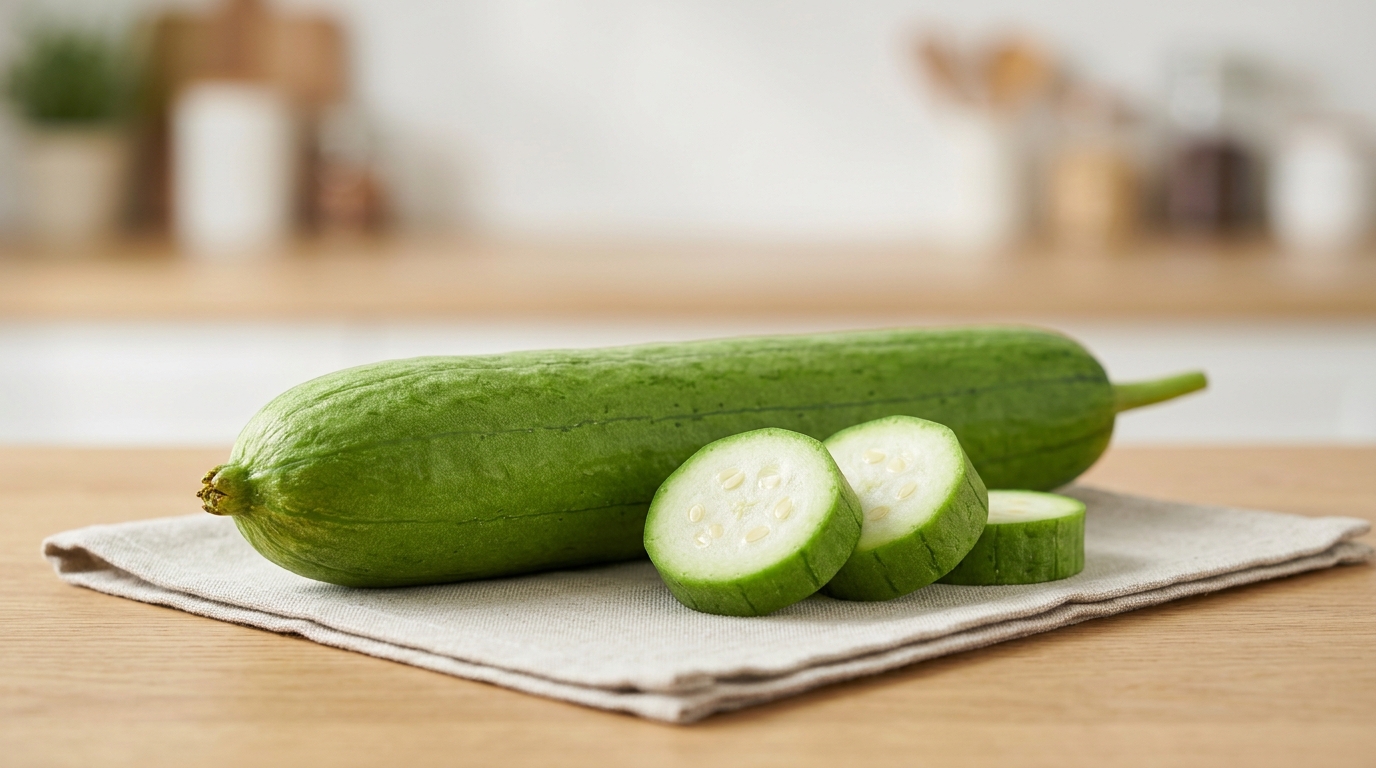
You buy a natural loofah sponge for your bathroom, only to discover online that people cook and eat the same species. It feels confusing to imagine chewing on a coarse shower scrubber during dinner. Eating the wrong stage of this plant leads to tough, bitter meals or mild digestive discomfort. Across Asian culinary traditions, over 100 million households regularly harvest young gourds from this versatile vine for daily cooking.
The dual nature of Luffa confuses most home gardeners and eco-conscious shoppers. You can eat immature gourds fresh from the vine, provided you harvest them before internal fibers harden into sponge material. Understanding
Is the Loofah Plant Edible for Humans?
Every species of young loofah gourd provides safe, wholesome food for human consumption. The tender green fruits belong to the Cucurbitaceae family, sharing direct botanical ties with squash, cucumbers, and melons. You harvest tender gourds when they measure between 4 and 8 inches in length. At this stage, the interior tissue remains soft, moist, and free from rigid vascular bundles.
According to botanical data from
Eating mature loofahs remains physically impossible due to dense cellulose fibers. As fruits mature past 10 inches, internal water content drops while structural xylem tissues harden into tough scaffolding. Trying to swallow mature fiber causes throat irritation and severe gastrointestinal stress. Focus exclusively on young, crisp gourds for all culinary preparations.
How Do You Identify Edible Loofah vs. Sponge Loofah?
Identifying whether a gourd fits culinary or cleaning purposes relies on fruit size, skin texture, and firmness. Inspect the vine daily during peak summer fruiting to catch gourds at their ideal edible window.
Edible Stage Indicators
Young gourds display bright green skin with smooth or distinctly ridged surfaces. When you press the rind with your thumb, the fruit feels firm yet yields slightly under gentle pressure.
-
Length measures under 6 to 8 inches.
-
Skin yields easily to a thumbnail scratch.
-
Seeds inside remain soft, white, and completely pliable.
-
Weight feels light and dense with moisture.
Sponge Stage Indicators
Mature fruits destined for bath scrubbers turn yellow, brown, or dry tan on the vine. The skin hardens into an outer shell that crackles when squeezed.
-
Length exceeds 10 to 18 inches.
-
Skin feels rigid, papery, or tough.
-
Seeds turn dark brown or black with hard coats.
-
Internal fibrous skeleton rustles inside when shaken.
To understand the botanical species behind these growth stages, read about
What Does Loofah Taste Like?
Tender loofah delivers a mild, refreshing flavor profile that bridges the gap between summer squash and English cucumbers. The delicate flesh absorbs spices, aromatics, and savory sauces with ease.
Cooked loofah develops a silky, slightly gelatinous texture similar to cooked zucchini or okra. The outer skin retains a gentle crispness if cooked briefly over high heat. The high water content creates a light, hydrating mouthfeel during warm summer months.
The two main cultivated varieties present slight flavor differences. Smooth loofah (Luffa aegyptiaca) offers a clean, neutral taste that blends well into broths. Angled loofah (Luffa acutangula), also known as ridge gourd or sinqua, provides a sweeter, nutty flavor with distinct ridged skin that requires light peeling before cooking.
How to Prepare and Cook Loofah Gourds Safely?
Preparing young gourds requires minimal effort, but proper skin prep ensures pleasant textures. Follow these sequential steps to prepare fresh harvests for cooking.
-
Rinse thoroughly: Wash fresh gourds under cool running water to remove garden soil and debris.
-
Trim the ends: Slice off the stem top and blossom end using a sharp chef knife.
-
Peel selectively: For smooth loofahs, peel thin outer skins if tough. For angled loofahs, slice off the sharp raised ridges along the sides while leaving tender green skin in between.
-
Chop into uniform pieces: Slice the gourd into half-inch coins, diagonal rounds, or bite-sized cubes for even cooking times.
-
Taste a small piece raw: Nibble a small scrap of raw flesh to check for unusual bitterness before adding the batch to your cooking pot.
Avoid soaking chopped gourds in water before cooking, as the spongy center absorbs excess liquid and turns mushy. Cook prepared pieces within 20 minutes of slicing to prevent oxidation and browning.
What Are the Edible Varieties of the Loofah Plant?
Two main species from the genus Luffa dominate regional markets and home gardens worldwide. Both species offer edible young fruit and mature household sponges.
                  ┌──────────────────────────────┐
                  │   Genus Luffa (Loofah)       │
                  └──────────────┬───────────────┘
                                 │
         ┌───────────────────────┴───────────────────────┐
         ▼                                               ▼
┌──────────────────────────────┐               ┌──────────────────────────────┐
│ Luffa aegyptiaca (Smooth)    │               │ Luffa acutangula (Angled)    │
├──────────────────────────────┤               ├──────────────────────────────┤
│ • Smooth cylindrical body    │               │ • 10 distinct longitudinal   │
│ • Mild, squash-like flavor   │               │   deep ridges                │
│ • Grows up to 24 inches long │               │ • Sweeter, nuttier flavor    │
│ • Standard bath sponge source│               │ • Ideal for curries/stews    │
└──────────────────────────────┘               └──────────────────────────────┘
Both varieties thrive in similar warm environments. To cultivate your own edible harvest, review proper
Luffa Aegyptiaca (Smooth Loofah)
Smooth loofah produces long cylindrical fruits with smooth outer skin. According to botanical details on
Luffa Acutangula (Angled or Ridged Loofah)
Angled loofah features ten prominent ridges running lengthwise down the fruit. Popular in Indian cooking under the name turai or torii, this variety holds its structural integrity exceptionally well during long simmering. The outer skin provides a pleasant crunch once you remove the sharpest ridge peaks.
What Are the Health and Nutritional Benefits of Eating Loofah?
Eating young loofah gourds provides low-calorie hydration alongside valuable dietary fiber and micronutrients. A 100-gram serving of raw gourd contains roughly 20 calories, making it a light addition to daily meal plans.
The gourd offers essential vitamins including Vitamin C, Vitamin A, thiamin, and riboflavin. It supplies trace minerals such as potassium, manganese, magnesium, and iron. According to dietary research compiled on
The soluble fiber content supports digestive wellness by promoting healthy bowel regularity. The high fluid volume helps maintain hydration, particularly when consumed in warm climate regions where these vines flourish naturally.
How to Avoid Bitter Loofah and Cucurbitacin Toxicity?
Members of the gourd family occasionally produce natural defense chemicals called cucurbitacins. These bitter compounds protect plants from wild herbivores but cause digestive irritation in humans if consumed in large quantities.
Cucurbitacin build-up occurs when vines experience extreme environmental stress, such as prolonged drought, intense heat waves, or nutrient shortages. Excessively bitter gourds cause nausea, stomach cramps, vomiting, and diarrhea.
Safety Warning: Always taste a tiny sliver of raw loofah before cooking your dish. If the piece tastes intensely bitter or astringent, discard the entire gourd immediately. Do not attempt to mask extreme bitterness with salt, sugar, or cooking spices.
Proper care reduces plant stress and prevents bitter fruit. Inspect your vines for pests and ensure consistent moisture levels throughout the growing season. Learn more about the origins of these resilient vines in our guide on
7 Creative Culinary Uses for Edible Loofah
Incorporating young loofah into daily cooking adds fresh textures to familiar recipes. These seven simple culinary techniques showcase the versatility of tender gourds.
-
Garlic Stir-Fry: Toss sliced loofah coins into a hot wok with minced garlic, sesame oil, and soy sauce for 3 minutes until tender-crisp.
-
Egg Drop Soup: Simmer diced loofah in chicken or vegetable broth for 5 minutes, then swirl in beaten eggs for a comforting soup.
-
Coconut Curry: Combine ridged loofah cubes with coconut milk, yellow curry paste, and tofu for a rich, aromatic stew.
-
Stuffed Loofah Boats: Slice medium loofahs lengthwise, scoop out a shallow center channel, fill with seasoned minced mushrooms or pork, and steam for 10 minutes.
-
Tempura Fritters: Dip thin loofah rounds into light tempura batter and flash-fry in vegetable oil for a crispy appetizer.
-
Sautéed Leaf Greens: Sauté tender young loofah vine tips and tendrils with ginger and salt as a leafy green side dish.
-
Raw Ribbon Salads: Use a vegetable peeler to shave ultra-young 4-inch gourds into thin ribbons, then toss with lemon juice, olive oil, and sea salt.
How Do You Store Fresh Loofah Gourds?
Freshly harvested young loofahs lose moisture rapidly due to thin skin layers. Treat tender gourds with care to maximize their edible shelf life.
Store unwashed, whole loofahs in paper bags inside your refrigerator crisping drawer. The cool environment maintains firmness for 4 to 6 days. Avoid storing whole gourds in sealed plastic bags, as trapped moisture accelerates soft decay and mold growth.
For longer storage, wash, peel, and cut gourds into uniform slices. Blanch the pieces in boiling water for 60 seconds, plunge them into an ice bath, drain thoroughly, and freeze them in airtight container bags for up to 6 months. Add frozen pieces directly to hot soups or stews without thawing.
Frequently Asked Questions
Can you eat loofah raw in salads?
Yes, you can eat ultra-young loofah raw when gourds measure under 4 inches long. The flesh offers a crisp texture similar to cucumber, though larger gourds taste much better cooked.
Are loofah seeds edible?
Seeds inside young, edible gourds remain soft, pale, and completely edible. Mature dark seeds from fibrous scrubbers hard shell coats make them unpalatable and tough to digest.
Can you eat loofah flowers and leaves?
Yes, young leaf shoots, tendrils, and bright yellow flower buds are edible. Sauté young leaves with garlic or dip yellow blossoms in batter for light fritters.
Why is my cooked loofah mushy?
Loofah turns mushy when overcooked or salted too early in the cooking process. Sauté or simmer high-moisture gourds over high heat for less than 5 minutes to preserve texture.
Conclusion
Incorporating tender young loofah gourds into your culinary routine offers an economical way to enjoy home-grown produce. By harvesting gourds early before fibrous networks develop, you gain access to a delicious, low-calorie vegetable rich in fiber and essential antioxidants. Remember to perform a quick taste test on every fresh gourd to screen for cucurbitacin bitterness before adding pieces to your recipes. Start by planting a few seeds this spring, or source tender ridge gourds from local Asian produce markets to try a quick garlic stir-fry tonight. Exploring